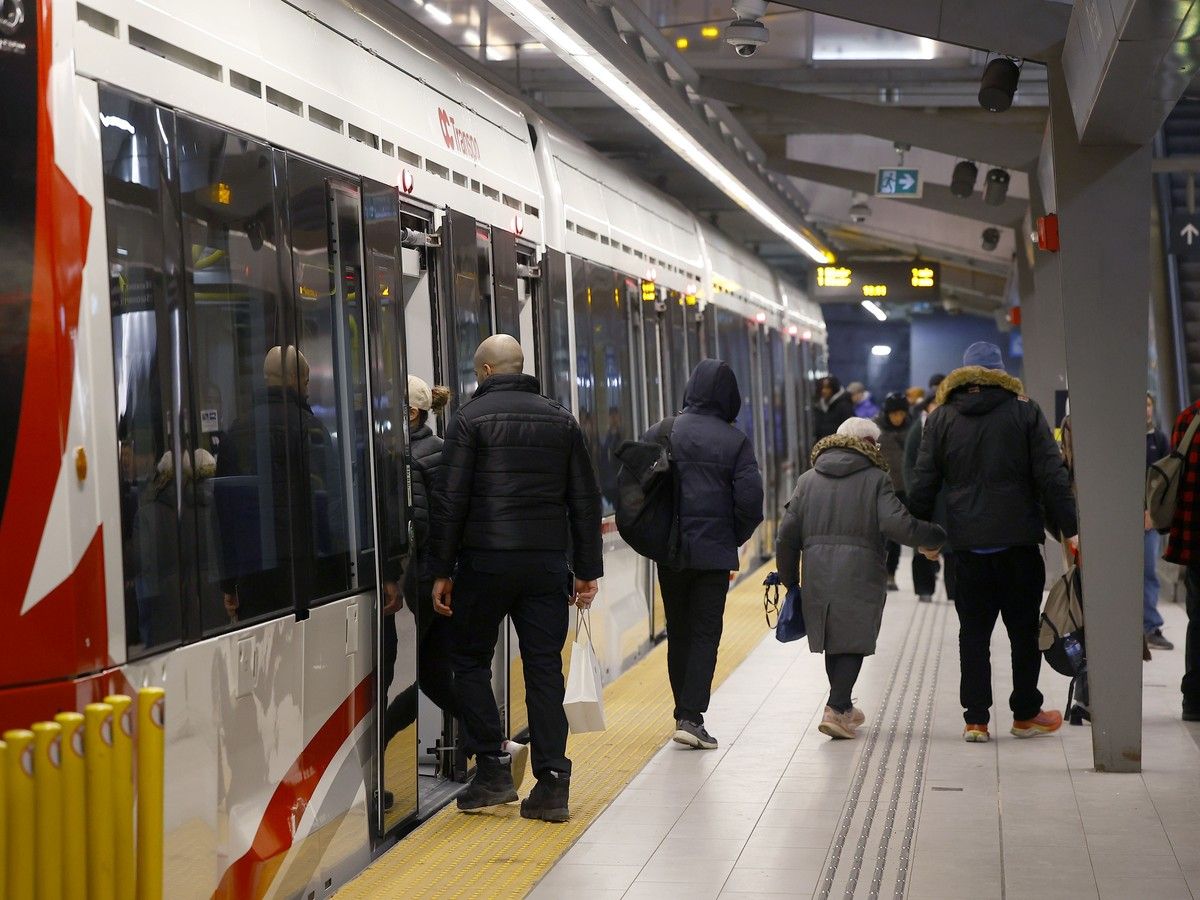
OC Transpo posted a deficit of almost $7.2 million in the first three months of 2026, largely attributed to lower than budgeted fare revenue as ridership numbers continue to decline.
City of Ottawa staff prepared a quarterly financial report for the upcoming finance and corporate services committee that shows an overall city deficit of $28.7 million as of March 31, with the transit and public works departments accounting for the largest budget shortfalls.
OC Transpo ran a $52 million deficit in 2025 as ridership dropped amid missed reliability targets, a maintenance backlog with an aging diesel fleet and delays with the delivery of new e-buses.
The deficit was larger than the $47 million deficit projected in the fall of 2025, when city staff forecast a similar budget shortfall for 2026. That forecast also included the expectation of $46 million in provincial funds.
Bus shortages led to thousands of bus trips being cancelled and rail service has been disrupted since the discovery of a mechanical issue in January that forced dozens of Line 1 trains out of service for repairs.
Bus and rail service combined for 14.4 million customer trips from January to March, which is down from the 19 million passengers during the same period last year.
The 5.9 million passenger trips in March represented a 10 per cent drop from ridership levels in March 2025.
Fare revenues for the first quarter of 2026 were $9.8 million below budget, according to city staff, from “lower than budgeted ridership.”
The deficit was “partially offset” by $2.7 million in expenditure savings, primarily due to the delayed opening of the O-Train’s Line 1 east extension and “performance deductions” for the existing rail line.
Para Transpo saw higher costs, staff said, with bus fleet maintenance, compensation and rising costs of diesel fuel.
Global diesel prices “spiked due to geopolitical disruptions” with the war in Iran, and staff said the volatile diesel market “remains an ongoing financial risk.”
The city’s diesel hedging program “played a critical role” in mitigating the budget impacts, staff said, and reduced diesel expenses by $1.9 million despite higher fuel costs and consumption during the first quarter.
The city’s hedging strategy involves purchasing diesel at a lower market price and “locking in prices for a portion of the city’s forecast fuel needs, limiting the financial impact of short-term market price spikes.”
Staff will closely monitor market conditions and fuel costs, the report states.
The temporary suspension of the federal fuel excise tax is expected to generate about $580,000 in one-time savings, but the measure “does not materially reduce longterm exposure to diesel markets,” the report states.
The city’s public works department, meanwhile, posted a $29 million deficit during the first three months of 2026 due to a “significant” number of winter snow-clearing operations.
Ottawa “experienced the highest number of snow events in the past 60 years, with snow impacts recorded over 48 days and total accumulation of 174 cm,” staff said.
“These conditions resulted in increased deployment levels, leading to higher compensation and overtime costs, greater reliance on external contractors for snow removal, and increased salt usage.”
Salt was procured at premium rates due to a provincewide shortage, staff said.
The staff report is set to be tabled at the June 2 finance and corporate services committee.
Our website is your destination for up-to-the-minute news, so make sure to bookmark our homepage and sign up for our newsletters so we can keep you informed.
Related
- Low ridership feeding OC Transpo budget deficit
- O-Train axle redesign could take years, transit commission is told