
The second annual Ottawa Festival Summit brought festival organizers, city officials and other interested observers together for a day of networking and brainstorming on everything from finding new sources of funding to preparing for the future.
The discussions came at a time of urgent cash crunches for two major Ottawa festivals: The Ottawa Jazz Festival andChamberfest are both working to alleviate sizable deficits.
After wet weather put a damper on the jazz festival’s opening weekend in June, its team is working to raise $400,000, while Chamberfest has embarked on a $200,000-fundraising campaign to address a shortfall resulting from a combination of higher operating expenses and declining donations.
Adding to the woes of the sector are competition for stagnant government funding, a gap in provincial advocacy and a slump in private-sector sponsors.
In other words, there was a lot to discuss.
However, it was not all doom and gloom for the event organizers in the room.
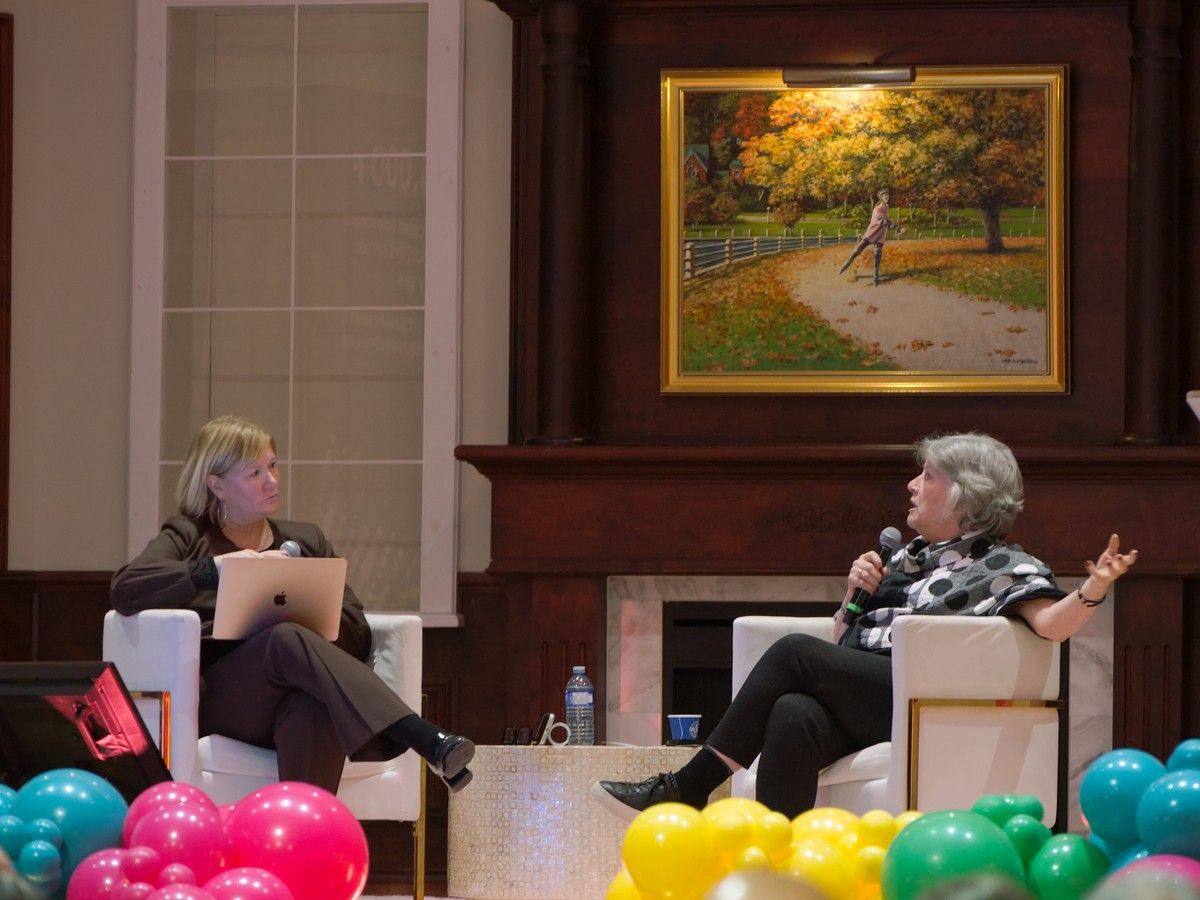
A sunnier perspective came during a fireside chat with the esteemed urbanist Mary Rowe, president and CEO of the Canadian Urbanist Institute, whose work focuses on how people get along in cities. To her, collective gatherings have value far beyond the numbers.
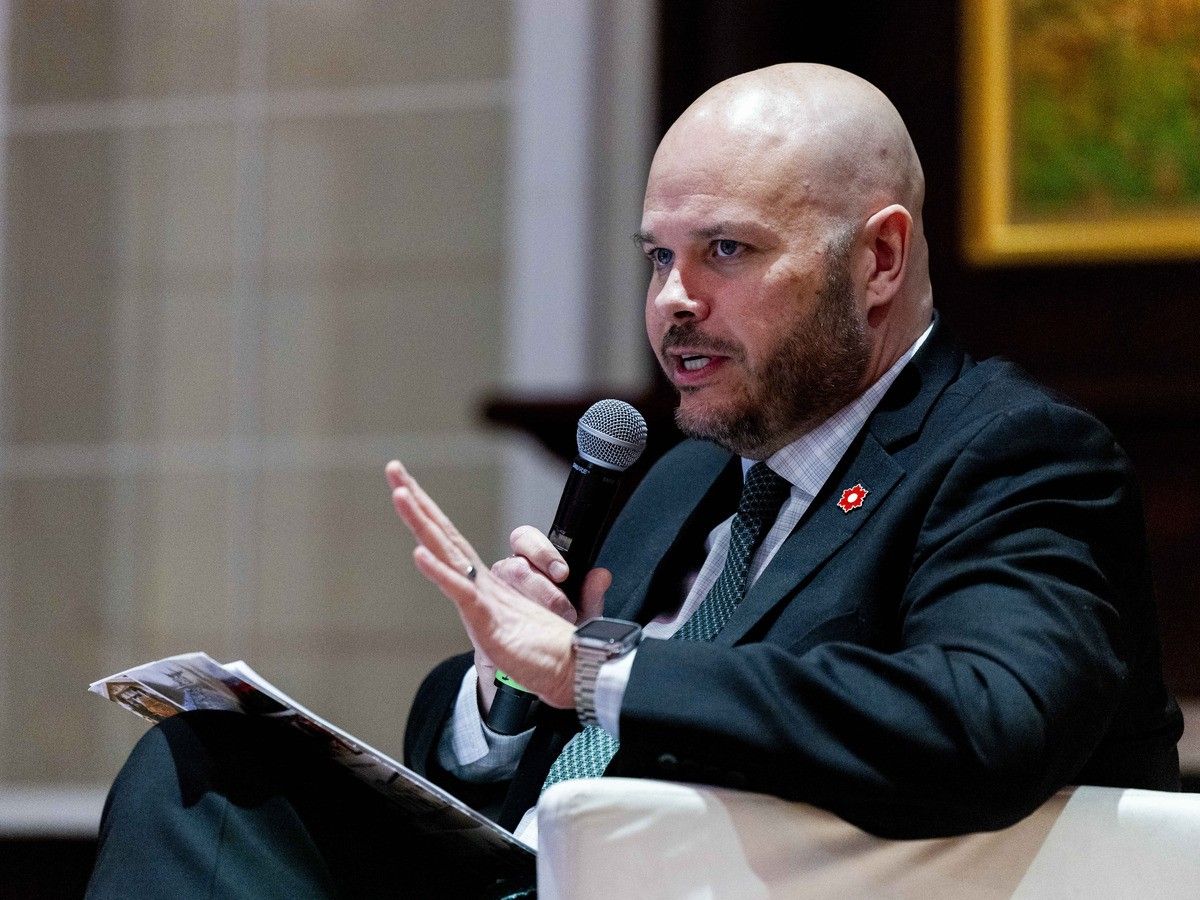
There was also a chat with Michael Crockatt, CEO of Ottawa Tourism, the not-for-profit, member-based destination marketing organization. For him, numbers are essential.
Between the two, they came up with five ways the Ottawa festival industry can flourish.
Forget tourism
The key to running a successful festival in Ottawa is not to attract scads of out-of-town visitors and their fat tourist wallets, but to focus on building a unique experience for the benefit of the immediate community.
“As the capital, (Ottawa) is a natural tourist destination and you’re stuck with that. People will always come to Ottawa,” Rowe said in a fireside chat with Tara Shannon, executive director of Ottawa Festivals, a non-profit, member-based organization.
“But, really,” Rowe added, warning of a growing backlash to tourism around the world, “what we want to do is get rid of tourism and create places where the people want to live and work and stay.“
Collect good data
Still, Ottawa festivals can’t afford to ignore tourists, partly because one potential source of funding is Ottawa Tourism.
Crockatt’s office gave out $1 million to several major Ottawa festivals this year and expects to do so again in 2027, and he says solid numbers are essential in deciding which festivals get money. Organizers are required to submit data that proves their attendees travelled from outside the National Capital Region.
“With us being a data-driven organization … we (need) data we can have confidence in and that we can stand behind,” Crockatt said, giving the example of a festival attracting 50,000 people.
“That doesn’t mean it’s 50,000 tourists. We need to understand who they were, where they came from, whether they travelled to Ottawa for the event, whether they stayed overnight and what they spent. That’s the kind of data that is very helpful.”

Cultivate resilience
Instead of striving to create a sustainable festival, which implies steady funding and predictable outcomes, organizers should cultivate resilience in the face of changing conditions, Rowe says.
“Anyone that’s in this business, in the festival space or any collective experience with other people in a place, is inherently resilient because you’re constantly adapting to change,” she explained.
“These are creative problem-solvers and entrepreneurs working in a constantly moving environment. There is nothing stable. They don’t know how much money they’re going to get or when they’re going to get it. Their costs, they don’t know. It’s all risk.
“Resilience is the capacity we need to develop.”
Invest in community
Rowe considers festivals to be part of a city’s social infrastructure, as worthy of investment as a new hospital or a road.
“We need to be making places that work for us all the time, 24/7, so that we want to live here, work here, study here, hang out here,” she said.
“Urban life is about the intersection of place and people. Festivals are so unique. An event has an audience, but a festival has a community. It has a totally different vibe to it. They’re more engaged.
“So, really, every day is a festival in a really healthy, vibrant community.”
Measure the unmeasurable
The success of a festival is often measured through attendance and economic impact. But, Rowe argues, what if there was a way to measure the intangible benefits?
“So much of what we value in life is not measurable,” she said. “I bet we can all think of some experience we’ve had, probably at a festival, maybe it was 30 years ago, maybe it was three years ago. You remember that experience. It stirred you. It gave you a sense of belonging, of attachment, an experience that you would be able to retell to somebody.
“(But) that’s one of the trickiest things for us to be able to figure out … What if, instead of only asking how many people attended a festival or how much money they spent, we asked, ’What is stronger in this community because this festival exists?’”
Take control of your search results. Make the Ottawa Citizen a preferred source on Google and see verified local reporting first.