

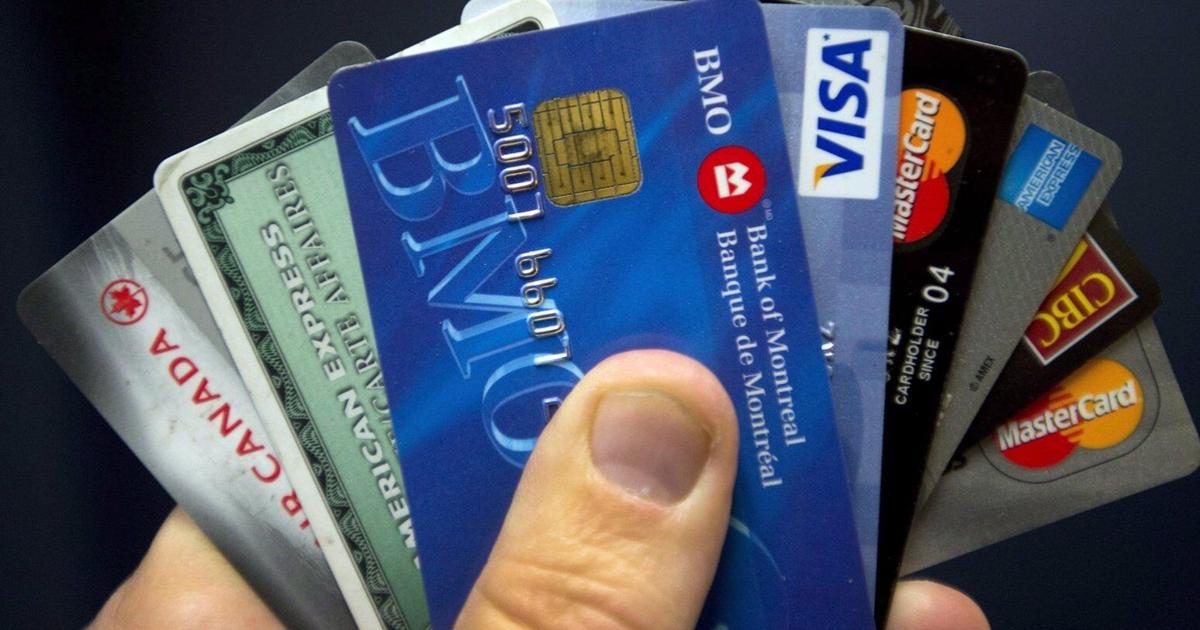
Getting a credit card may rank high on the list for young adults seeking financial autonomy.
But having a credit account doesn’t always translate into a decent credit score — a financial report card on how likely you are to pay your bills on time.
While some might avoid a credit card to not get into debt, that could also mean not having financial history to show when applying for loans or even a rental apartment.
An absent or irregular credit history could also imply to lenders that you may not be a responsible borrower, said Ali Harris‑Saunders, community relations manager at non-profit Credit Counselling Society.
“Many young adults think that credit really only matters years down the road when you’re trying to get a mortgage,” she said.
“But your credit can affect things like apartment rentals, your cellphone plan, car loans and your access to future borrowing.”
Setting up a basic credit card and lining up automatic payments can help lay the foundation, said Lucianna Adragna, vice-president of client segments and everyday banking at RBC.
But knowing how credit really works is key to building your score, Adragna said.
She recalled applying for multiple credit cards when she was 18 years old, not really understanding what she was doing at the time.
“I just checked off all these boxes and then suddenly, I had four cards in the mail,” Adragna said. “There was no advice that came along with that.”
An RBC survey published last month found nearly half of Canadians aged 18 to 24 surveyed said they are actively trying to build or improve their credit score, but more than one-quarter said they are still unsure whether they’re on the right track.
A credit card isn’t the only way to build your score, Harris‑Saunders said.
Putting a phone bill in your name, even if you’re paying it directly through your bank account, can help start that process, she said.
“I’ll have monthly proof that I can manage this payment that is reported to the credit bureau, (and) that will go a long way in helping to build my credit,” Harris-Saunders said.
If a credit card is scary for a young adult for fear they’ll get into debt, they can check with their bank for a secured credit card that is backed by a deposit.
“Because it is secured by a deposit, that’s what keeps the balance a bit in check in case you’re unable to make those payments,” Harris-Saunders said.
Meanwhile, the decision to get a credit card should depend on a few factors, including your life stage, whether you’re seeking independence and if you can manage paying off the balance on time.
For instance, if you’re planning to move out of your parents’ home, a credit history can help land a rental apartment.
The first credit card can have a limit as low as $500 or $1,000 and can start with smaller bills — monthly subscriptions for Netflix or Spotify and cellphone — can help build a consistent credit history, Harris‑Saunders said.
“You’re going to spend that money on those things anyway. You might as well use them to help you build that credit,” she said.
She suggested keeping the outstanding balance on the card at about 30 per cent of the total limit and making sure to pay that off at the end of each month.
That means not carrying a balance of more than $300 for a credit card with a $1,000 limit.
“What helps to build your credit score is actually making your payments on time, paying off as much of your balance as you can, and paying it in full is ideal,” Adragna said.
Missed payments also stay on record for longer, Harris‑Saunders said. She suggested setting a reminder for payments or automating them to stay on top of credit card bills.
Building a good credit history takes time though, Adragna said.
“Every time you make a bill payment, every time you keep your balances low, every time you pay off your full balances, that’s slowly building up your credit,” she said.
“Patience, I think, is the biggest thing to take away and learn as you’re trying to get into the credit card and borrowing world.”
This report by The Canadian Press was first published Nov. 9, 2026.
