If extreme weather brings out any positives, Marina Petrovic says it will frequently bring her neighbourhood together.
She referred to it as a sort of trauma bonding in the Graham Park community, located southeast of Bayshore.
“In every big disaster, we’re like, ‘All right, well, whose freezer are we eating out of today?’’’ she said. “And we’d pull out the barbecues … knowing it could be days and days we’d be without power.”
When the storm clouds roll in, the Nepean-area community is certainly no stranger to bracing for impact and expecting the worst.
Over the last decade, it has borne the brunt of two tornadoes ripping through surrounding areas, with wind downing large trees and leaving residents without power for days on end.
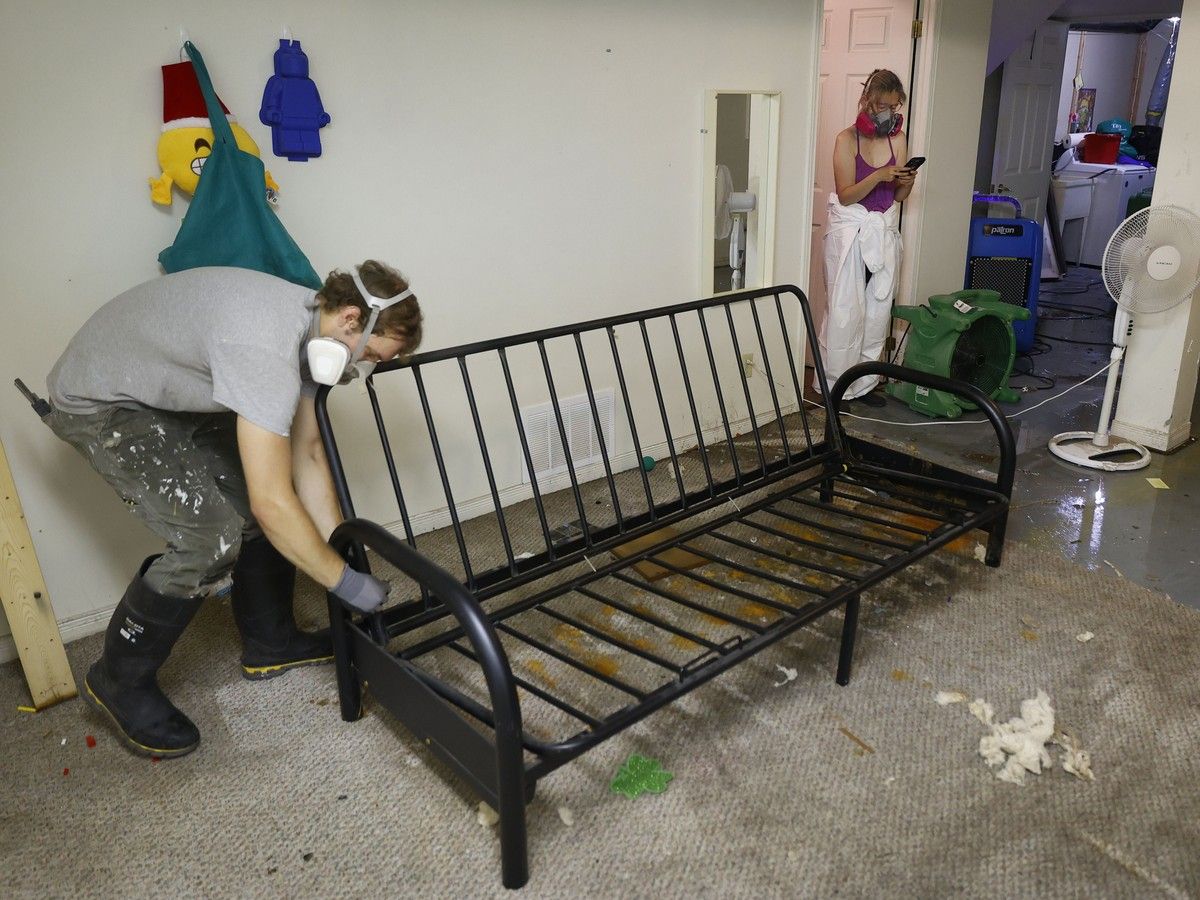
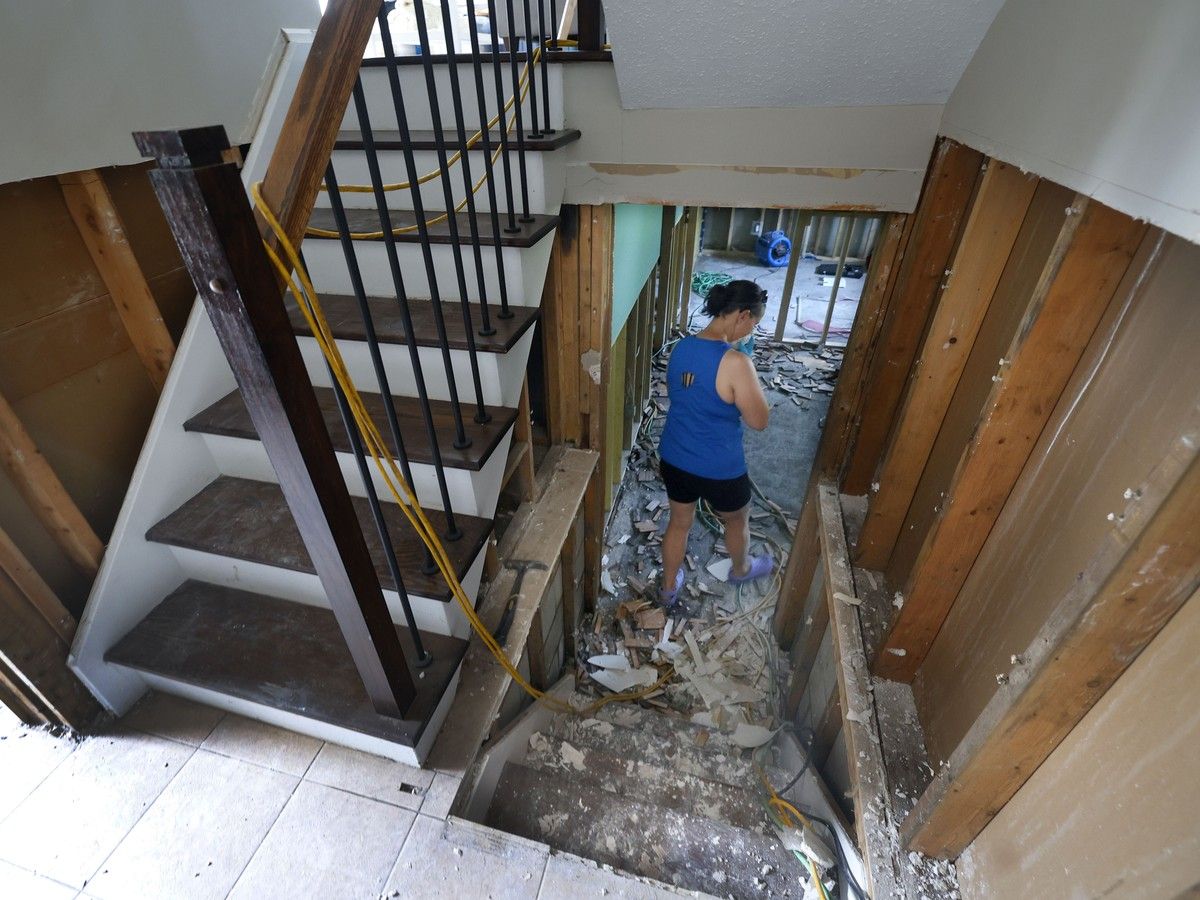
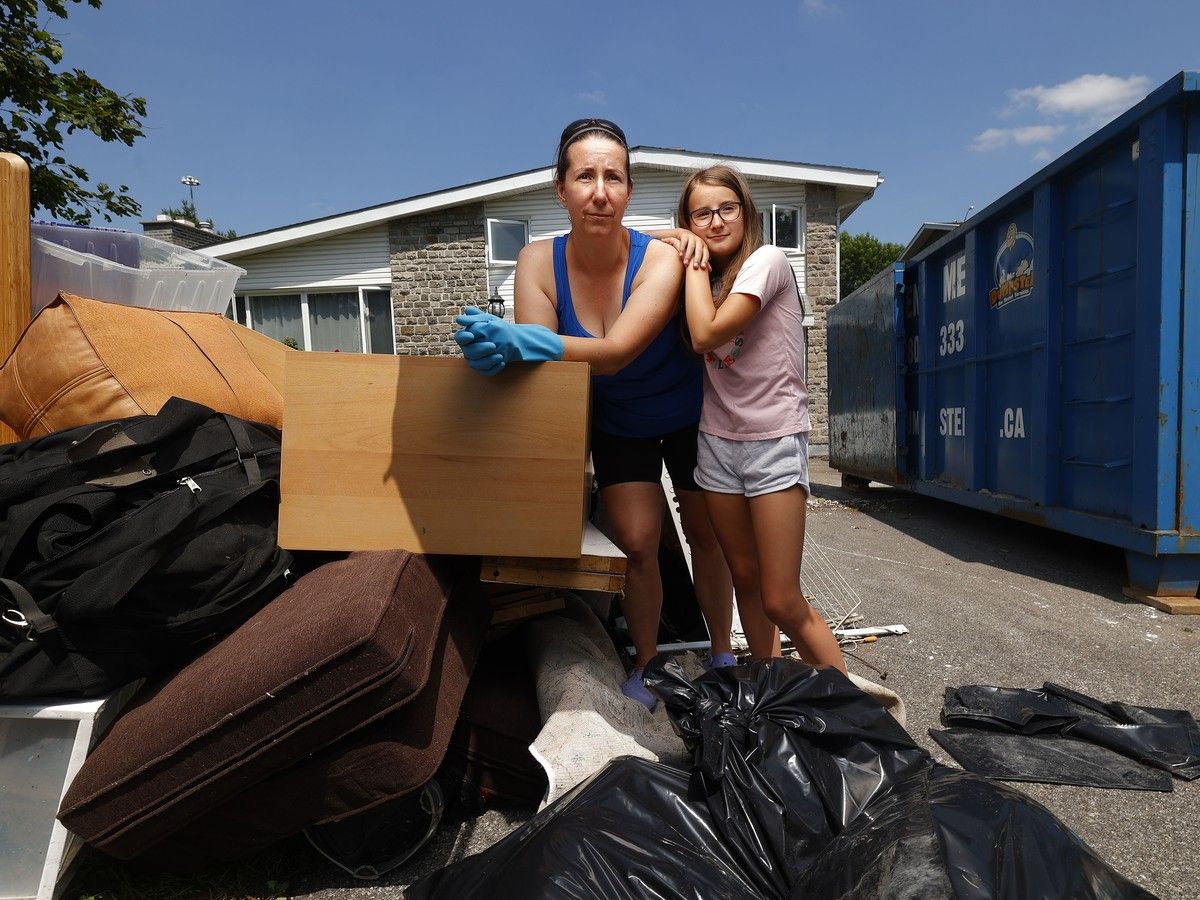
And now, Petrovic, her partner Francis Roy-Moreau and their 10- and 13-year-old daughters are among the thousands of Ottawa residents left picking up the pieces of a flooded home after the massive July 1 rainstorm .

“We’ve checked all the natural disaster boxes,” said Petrovic while sitting in the backyard, surrounded by stacked plastic storage bins which she said couldn’t do enough to save family mementos from five feet of flooding.
“I feel like, every couple of years, we’re bracing for what’s going to happen next.”
The family had just finished making ice cream sandwiches ahead of a Canada Day barbecue when the storm clouds rolled in, deciding to hold off until the storm passed.
Within half an hour of the downpour starting, Petrovic said water was streaming down their sloped driveway and into the garage and ground floor of their house.
Within an hour of downpour rain, water levels had risen to five feet in their house, the electrical panel crackling as it met the water.
By 6 p.m., Petrovic remembers standing on the street with her neighbours, unsure of what to do or even where to begin.
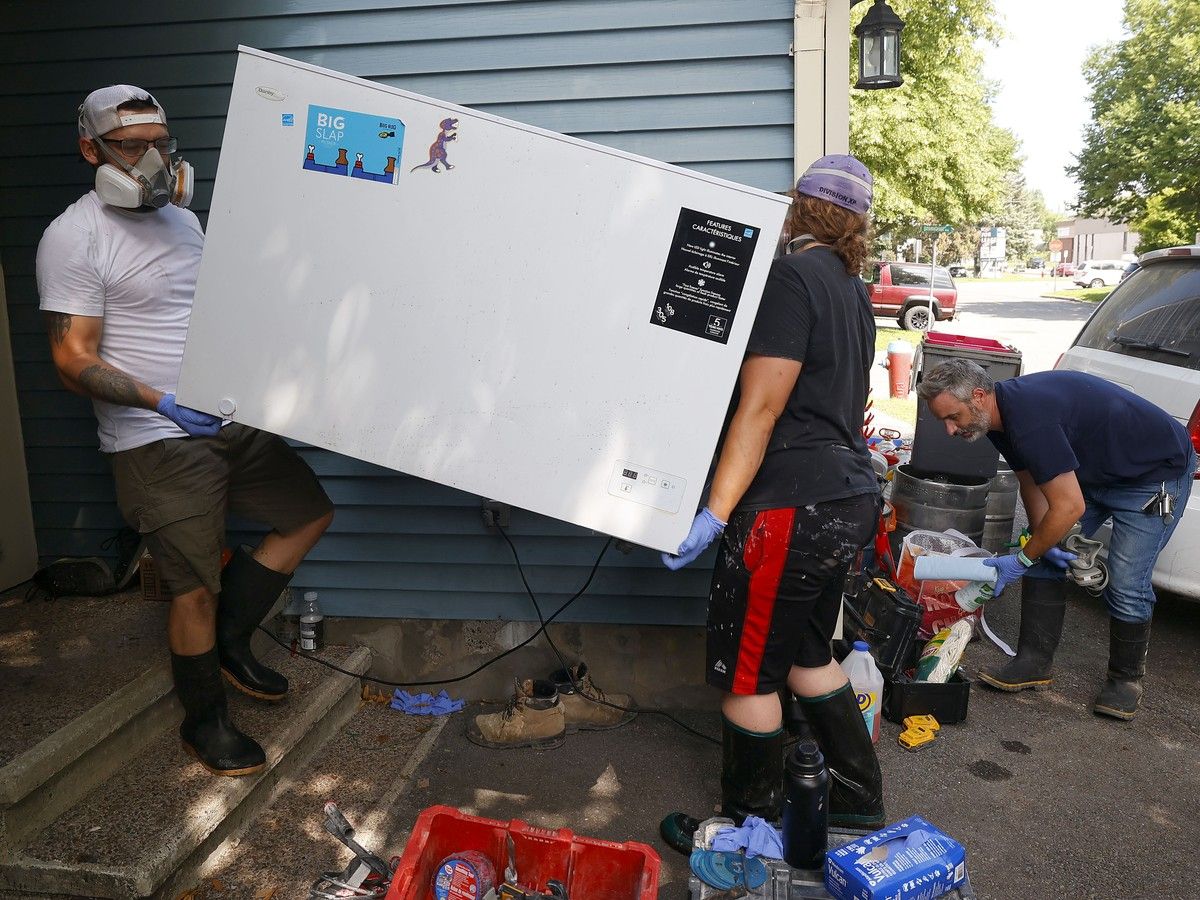
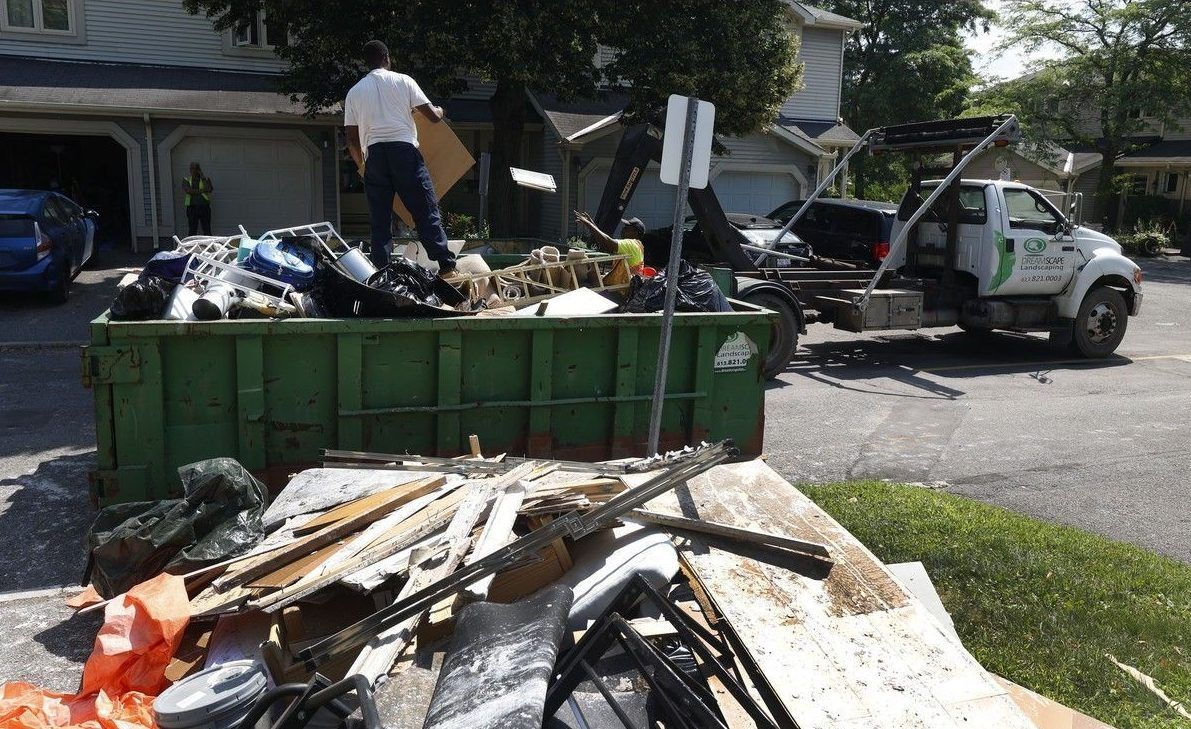
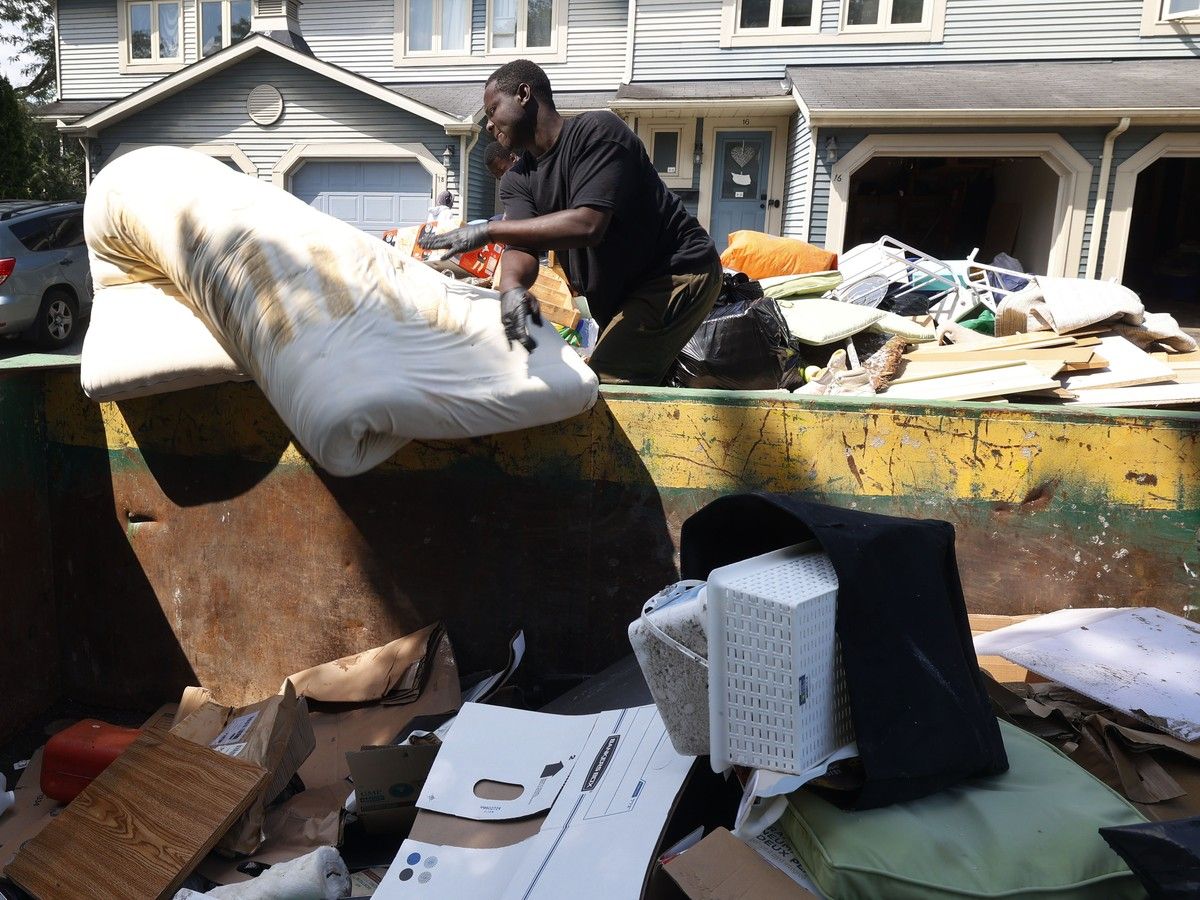
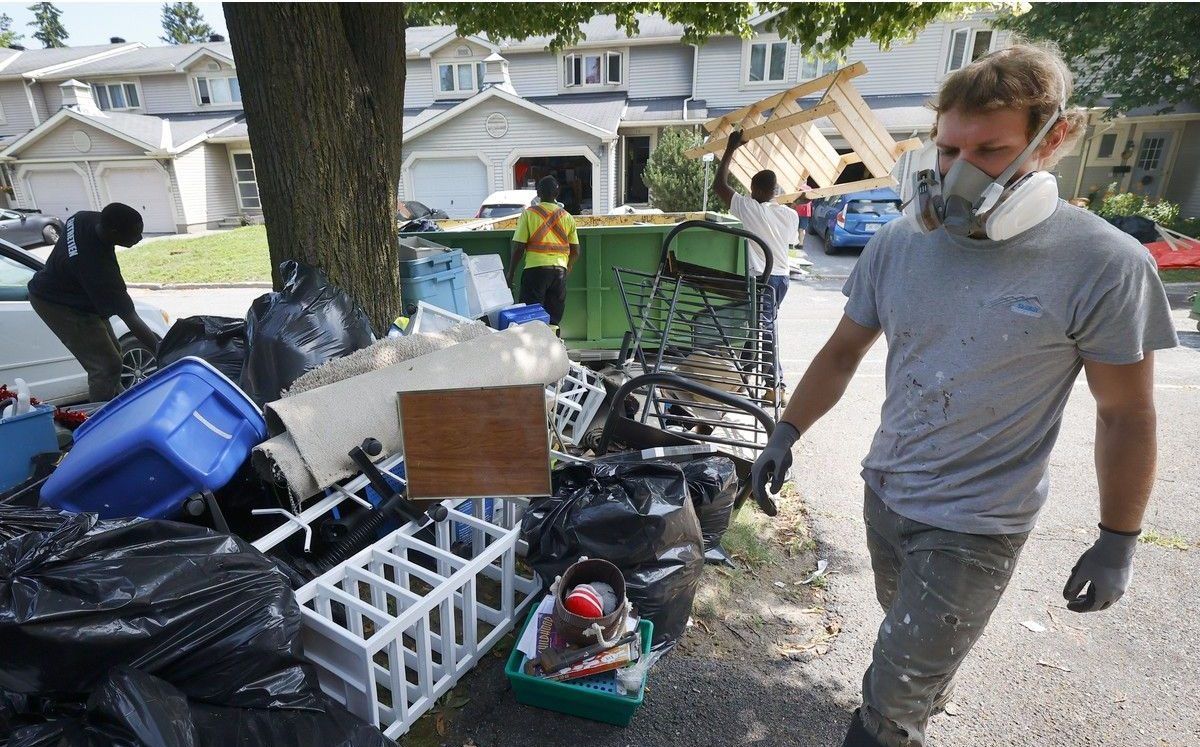
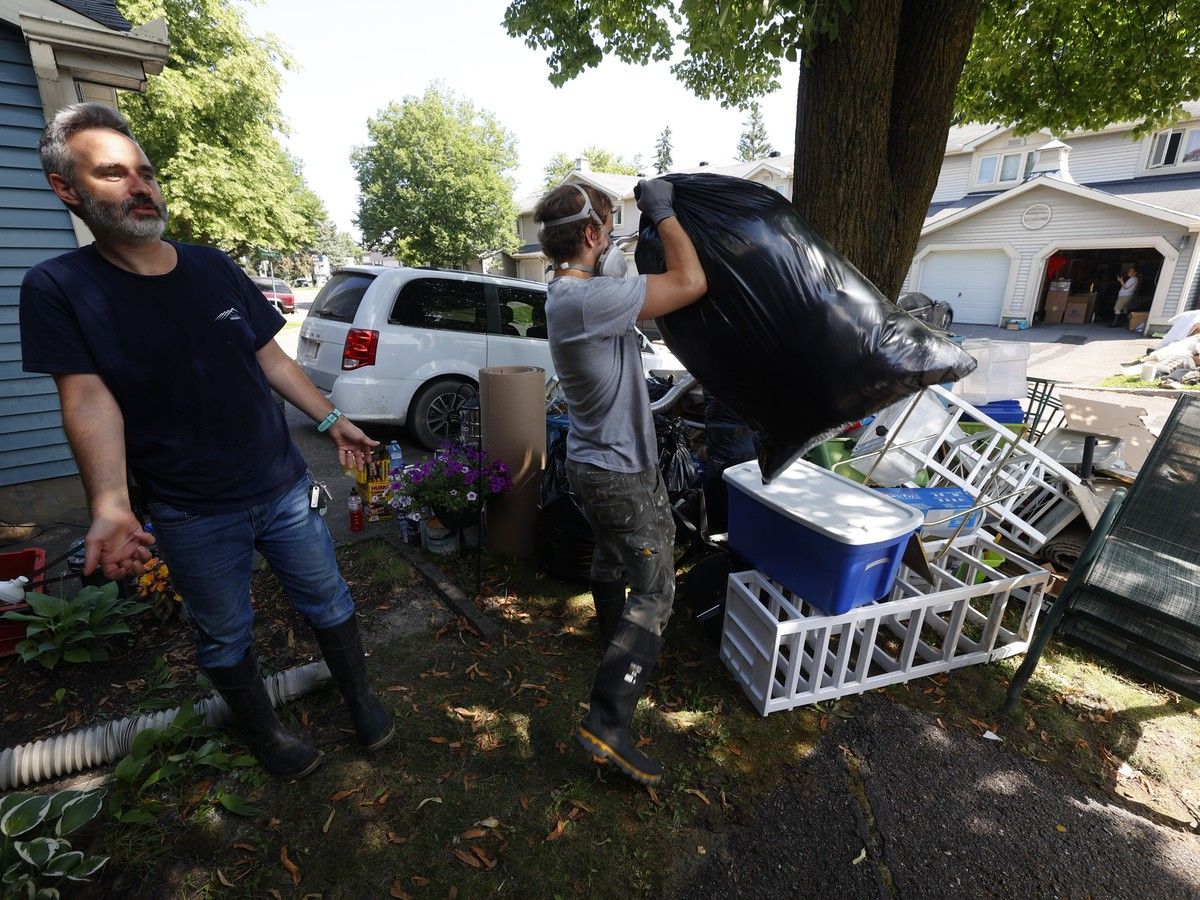
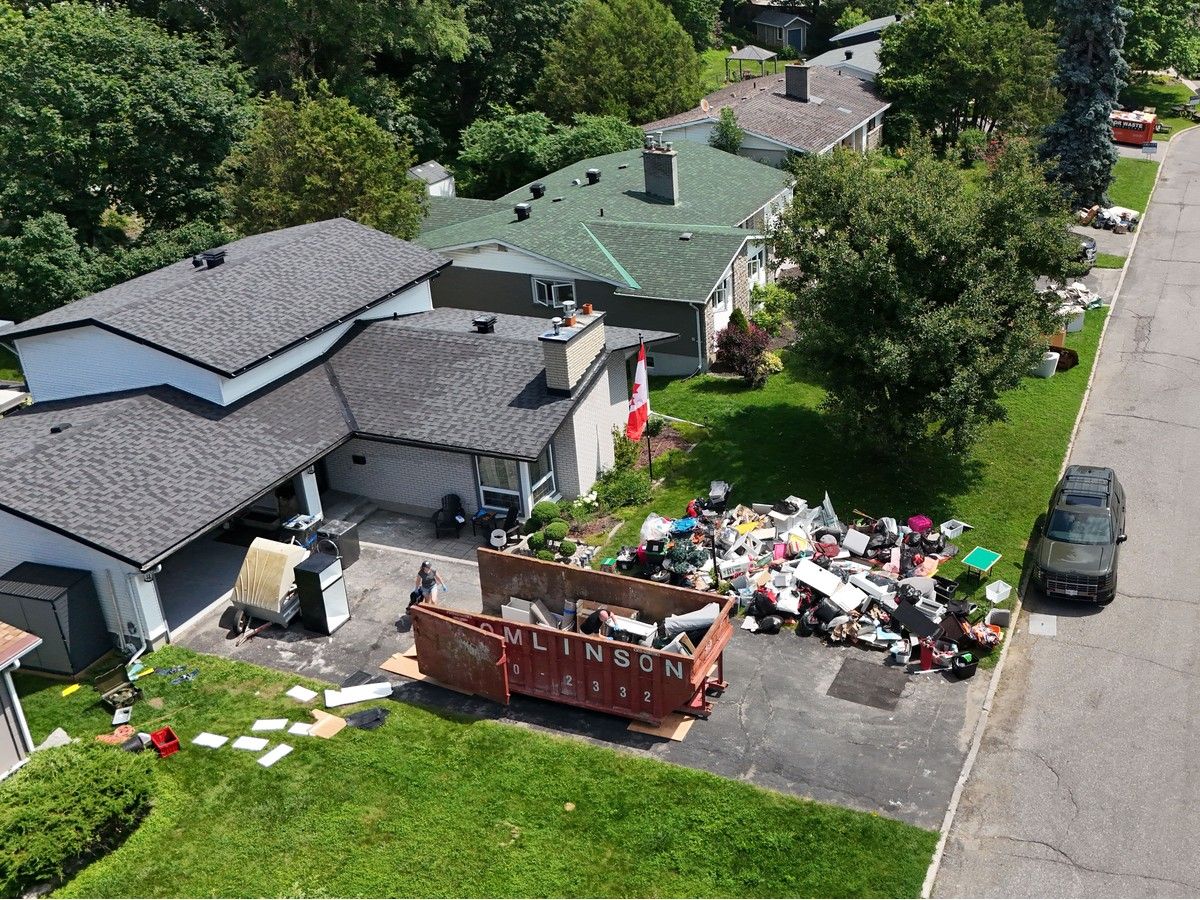
Petrovic was far from the only one on her street who was a victim of flooding. On Tuesday afternoon, many Queensline Drive residents had discarded the contents of their homes, including furniture, flooring, drywall and clothing, onto their front lawns.
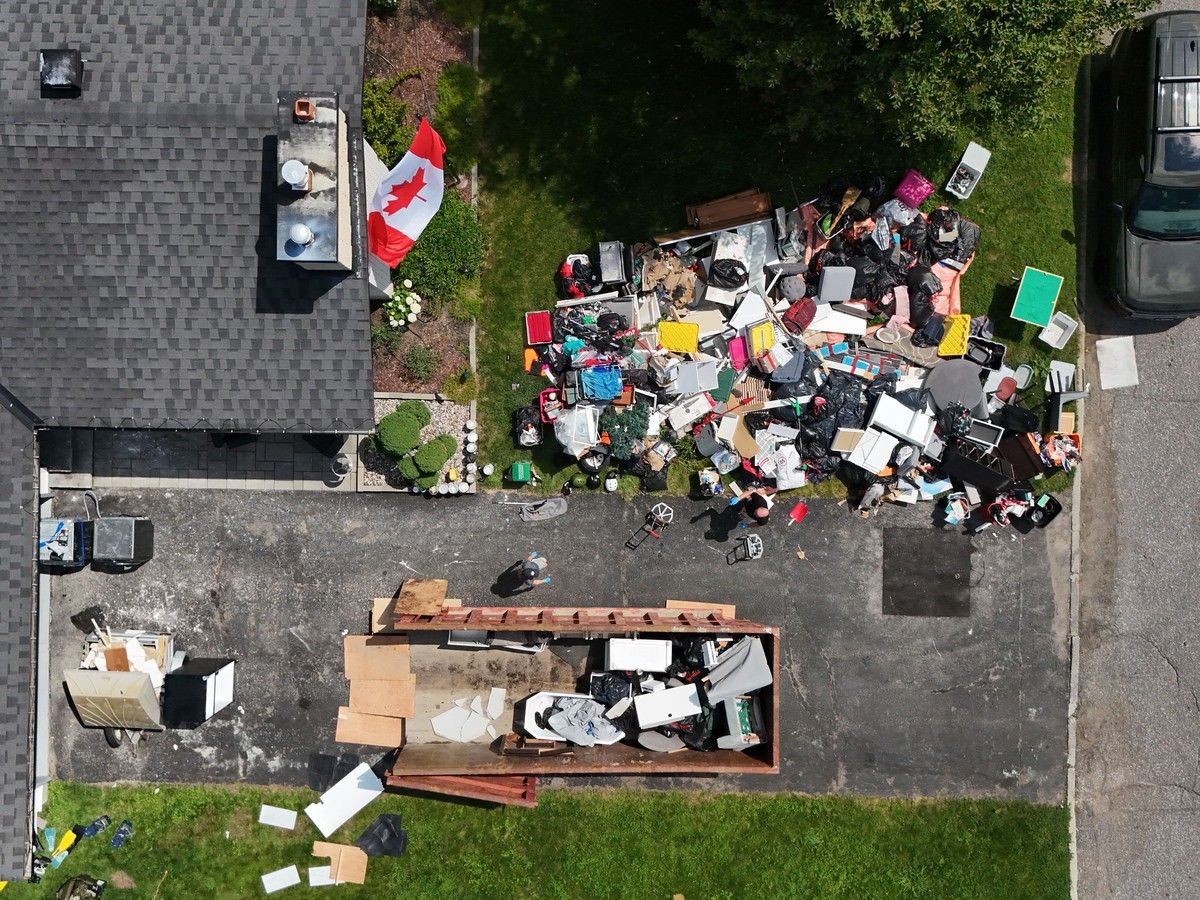

Garbage trucks had started to make the rounds, as crews collected whatever they could from the massive piles lining the street.
“We’ll come back for the rest,” one garbage truck worker promised a resident after the crew had made a significant dent in his pile of belongings, to the point where you could almost see the grass peeking out underneath.
As he got back into the truck, across-the-street neighbour Jolene Bard handed him a cold bottle of water to thank him for his work in the blazing 29 C heat, with humidity making it feel more like 35.
After buying their house a little less than a year ago when moving home from Australia, it’s Jolene and Andre Bard’s first experience with a natural disaster in the neighbourhood, though they said they’re well aware of the stories.
And after the rainstorm caused their sink, toilet and drains to start flowing like a fountain, discarding inches of sewage water onto the basement floor, they’re staring down the aftermath of a basement flood they said they were quoted $25,000 for cleanup alone.
“We’re frantically knee-deep in poo, flicking switches to make sure we don’t get electrocuted,” Andre said. “And then it just kept coming.”
“We called it a poo-nami,” Jolene added with a chuckle, as she tossed a piece of flooring from the front lawn and into the massive dumpster sitting in their driveway.
With many senior residents in the area, Deborah Weiss, who also lives in the area, cautioned that there were likely many others in the neighbourhood who are unable to get started on the cleanup work.
“We need more help here,” she said from the base of her driveway, standing beside her own pile of debris from her basement flood.
“My family is going to be OK, but that’s not the case for so many other people. I know the mayor is asking for help from the province, but it needs to happen now. Folks here are suffering.”
A few streets over on Saxton Private, cleanup efforts were also underway as André Lalonde, dressed in rubber boots, elbow-high blue rubber gloves and a face mask, made trips to and from the large dumpster stationed across the street from his condo.
“You can’t be down in the basement without a mask,” he said, describing the sewage that poured into his condo on Canada Day. “The smell is just atrocious.”
When his family bought the condo three years ago, he said he was told the unit was “unfloodable” as extra protections like sump pumps were installed after the row had flooded about seven years ago.
But then, about three feet of water pooled in his basement on July 1, as he was left with lots of questions from his two young kids about why they were suddenly staying in a hotel.
“We lost all of our family photos, our Christmas ornaments,” he said. “We were planning on renovating the basement, and we were just using it as storage for everything.”
For many families who experienced massive losses, big-ticket items like the furnace, hot water tank or electronics weren’t the first things they’d mention as they listed off the things they lost last week.
It was the little things, like the family photo albums and mementos, holiday decorations, toys and shoes that were frequently the first mentioned. For Petrovic, it’s the little things like whether her 10-year-old daughter will have running shoes if she wants to go on her bike, that keep her up at night.
“It’s all the things that can be replaced that probably won’t be, because everything we have is going to have go back into the infrastructure of the house, and that’s hard for the kids to wrap their head around.”