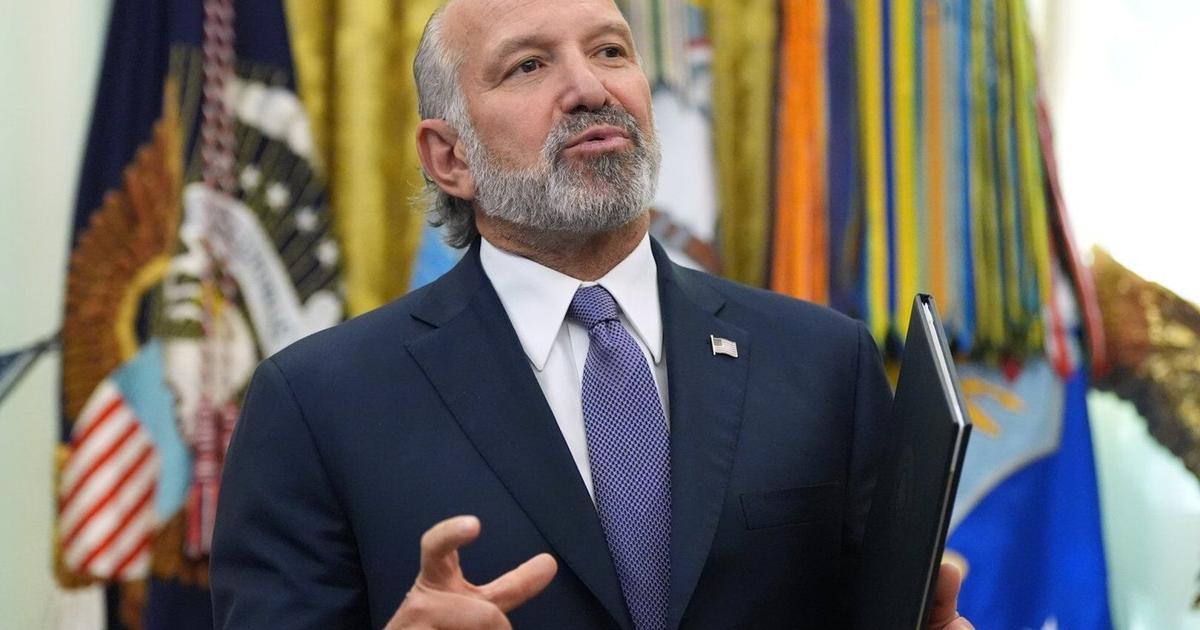
Canadians may owe Howard Lutnick a debt of gratitude.
It was a final-hours intervention by the U.S. Commerce Secretary, who’s peculiarly belligerent toward Canada even by the standards of Donald Trump’s White House, which seemed to coincide with new American demands that scuppered the tentative trade agreement between the two countries.
If so, he did Canada a service by reminding Mark Carney and his negotiators who they were dealing with — and saving us from a bad deal that probably would’ve only looked worse down the road.
Before things went completely off the rails on Friday, there were already plenty of indications — including from industry sources who were tracking the talks — that Ottawa was on the verge of giving up far too much for what it would get in return.
Trump appeared to have successfully moved the goalposts with his threat of new 50 per cent tariffs on a range of products, leaving Canada so determined to avoid those that it was willing to live with less relief from his existing tariffs than it had previously demanded. Modest cuts to the levies on our automotive and steel exports, among others, would have locked in rates still too high for those industries to be viable in the long run.
Meanwhile, Canada would’ve had to give up what leverage it had, including both counter-tariffs and the provincial bans on U.S. booze that have gotten under Trump’s skin. Plus, we appeared poised to scrap Buy Canadian procurement policies, giving U.S. companies relatively unfettered access to government contracts here, even as Canadian access to the U.S. market remained restricted.
And then there were whatever other concessions might have impeded Canadian sovereignty, which seemed to apply at least to our leeway to set our own technology policies.
It’s wild that the Americans seemingly weren’t willing to live with that package, which would’ve given Trump reasonable cause to declare victory, and instead wanted additional concessions that even a Canadian side plainly eager for a deal couldn’t abide. Details about what those demands were will probably leak out over the coming days, but Carney’s slightly cryptic descriptions of them on Saturday — including even less relief than expected for the auto industry, and even more importantly, limits on our trade dealings with other nations and impediments to our cultural and linguistic sovereignty — made them sound absolutely toxic.
But the most striking and telling lines, in both Carney’s late-night statement when the talks fell apart and in his Saturday press conference, were less about the specific demands than about the fact that signing this deal would inevitably mean more of them to come.
Or, as the Prime Minister put it, apropos dealing with this White House: “We recognized that sometimes its signature was written in pencil.”
This seemed a belated realization, especially given that we just went through something similar with the Gordie Howe International Bridge. But it was an absolutely crucial one.
The worst thing about the agreement, as it was taking shape this week, wasn’t the concessions themselves — it was what the willingness to make them would signal to Trump and the people around him.
This is a president who (egged on by people like Lutnick, who see some sort of advantage for themselves in conflict) will try to exploit any sign of weakness. And that’s exactly what Canada seemed to be showing this past week.
There was desperation in the Canadian willingness to live with all sorts of unfavourable conditions in order to avoid the newest round of tariffs, which seemed to suggest we weren’t strong enough to stick to our guns — to live with no deal, rather than a bad one. It all but invited more threats to our sovereignty, around natural resources or tech or who knows what else, within a matter of months.
In a span of 12 hours, first with the initial statement and then with Carney’s coolly defiant press conference (both of which promised dollar-for-dollar counter-tariffs), that impression was mercifully done away with.
That resolution isn’t something to celebrate, exactly. Not when several of our biggest industries remain stuck with tariffs that will discourage investments for the foreseeable future, and especially not when many smaller Canadian companies — makers of electronics, furniture, clothing, etc. — will now face 50 per cent tariffs on roughly $28 billion of annual U.S. exports.
The nice thing about our federal government being in relatively good fiscal shape, especially relative to the U.S., is that it has the capacity to provide relief that should help keep those companies afloat.
Still, there will be a lot of pain, and even more uncertainty, and it’ll be felt in communities across the country where these businesses are part of the fabric. And who knows how this will escalate.
But if not happy, it’s warranted to at least feel relieved today.
While we may never go back to our old relationship with the U.S., we also have less than two-and-a-half years of this Trump term left. And as much unpleasantness as that may involve, it’s not worth giving up long-term control of our destiny for temporary and partial reprieves.
Thank goodness Trump’s White House decided to push its luck before it was too late.