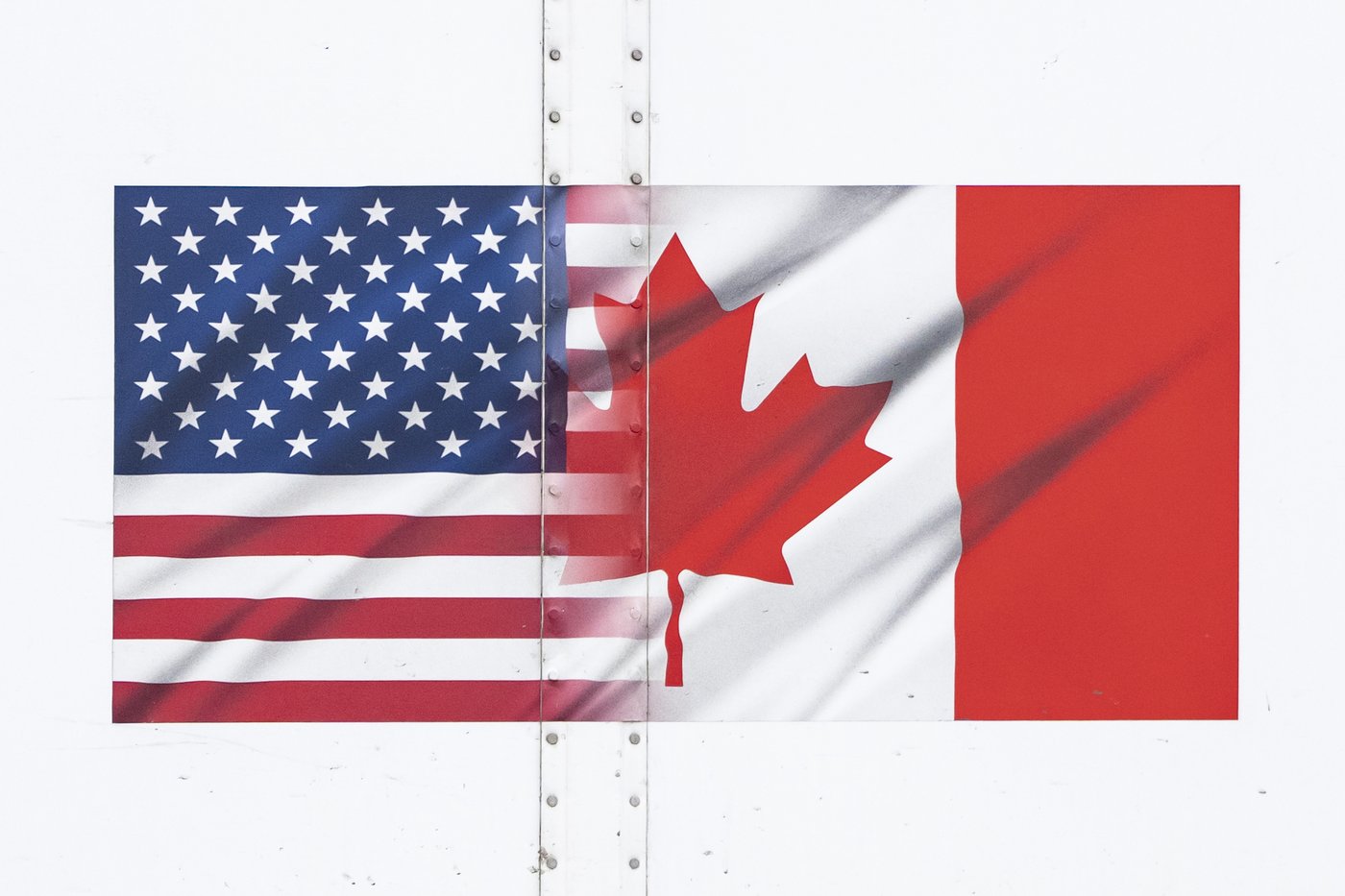
For some Canadian businesses facing a 50 per cent U.S. tariff kicking in at 12:01 a.m. Wednesday, the pain is already being felt.
The new tariff, on $28 billion of goods ranging from hockey sticks to dairy products, electronics and wooden doors, is the latest salvo in a trade war initiated by U.S. President Donald Trump.
The mere threat of the tariff has already been enough to scare off some U.S. customers from continuing to place orders with Canadian suppliers, said Dan Kelly, CEO of the Canadian Federation of Independent Business.
“If your product is included on the list, you’ve most likely already seen an impact,” said Kelly. “People don’t want to get caught out if they’d suddenly have to pay 50 per cent more.”
Kelly said the pain and fear is especially acute for small businesses, who are more likely to be selling the kind of consumer-oriented goods targeted by the latest tariff.
“This one definitely skews small. They hit way more small and medium-sized companies than the other ones have,” said Kelly. “There’s a lot more stuff that’s consumer-oriented in this.”
Small business has less wiggle room to handle disruptions
Fraser Johnson, Canada’s top supply chain expert, said smaller businesses typically have tighter ordering and shipping timelines, and also less financial wiggle room to deal with disruptions, including those caused by new tariffs.
“It tends to be the small businesses that are most affected but can least afford the problems. They’re cash-flow constrained, and don’t have a lot of flexibility,” said Johnson, a professor at Western University’s Ivey School of Business.
While some U.S. customers have likely already stopped ordering from their Canadian suppliers, said Johnson, others may well have ordered earlier than usual in an attempt to beat the deadline, he added. It’s a pattern which was seen before earlier rounds of tariffs.
“It’s what we call the bullwhip effect. Customers preorder and build up their inventory, and then they stop ordering,” said Johnson, who cautioned that many small businesses can’t afford to build up inventory in advance.
For Canada’s softwood lumber industry, the latest tariff — issued under Section 338 of the U.S. Tariff Act — adds more products to a list that had already been subject to hefty sector-specific tariffs.
”“As a sector, we already know what a 50 per cent tariff can do to the forest products sector. Softwood lumber has been facing nearly 50 per cent tariffs since Section 232 tariffs were imposed on top of existing duties last fall, and we’ve already seen mill closures across Canada,” said Adrian Smith, director of policy at the Ontario Forest Industries Association. “If Section 338 tariffs are implemented, that same level of tariff pressure could extend to products currently covered under CUSMA.”