

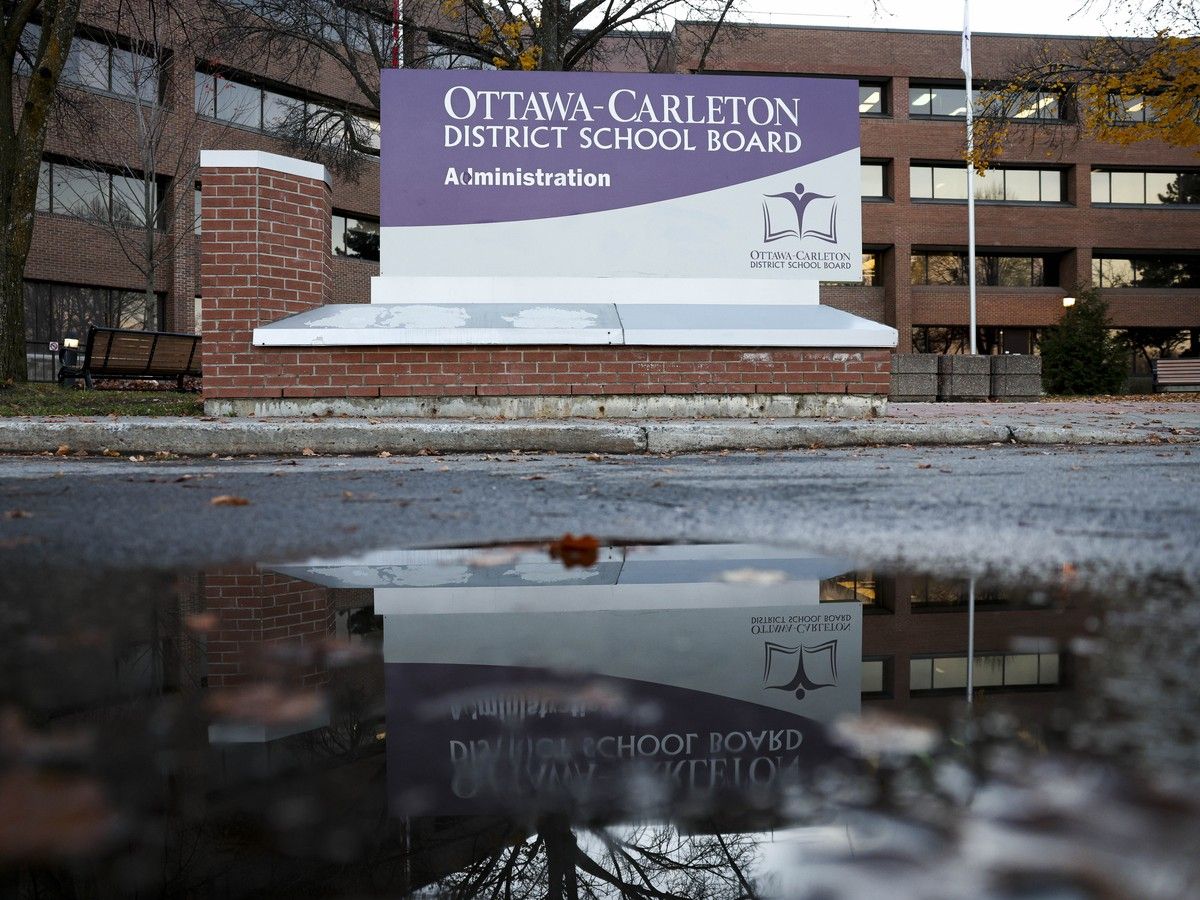
While most Ottawa-Carleton District School Board trustees were officially sworn into office Monday afternoon, one trustee says he’s waiting for clarification on the school board’s directives for the role before he takes his oath of office.
Alan Riddell, who was elected trustee for Zone 11, did not attend the board office on Monday for the swearing-in ceremony and stated in a Monday evening interview that he’s asked the school board for further clarity on what trustees can and cannot do while the school board is under supervision.
On Nov. 5, the OCDSB sent a document to trustees outlining the limitations to their role as sidelined officials while the board remains under supervision by the Ontario government. It included restrictions on their abilities to attend meetings, enter schools, as well as answer emails from constituents in an official trustee capacity.
Riddell said some of those restrictions, including limitations on what trustees can say in emailed replies to constituents, may violate Charter rights. Other trustees also said restrictions placed on them by the school board may be unconstitutional.
Typically the swearing-in ceremony for trustees is public, but this year the board held the ceremonies for each trustee behind closed doors. Media were barred from entering the building.
Despite their recent election to the school board, trustees have few formal powers. The provincial government put the OCDSB and other Ontario school boards under direct supervision in June 2025, over what it said was financial mismanagement.
Now the newly minted trustees are wrestling with what they can and can’t do as elected officials.
Seeking clarity on the directives
Riddell, who is also a lawyer, said he asked for a meeting with the school board CEO and legal counsel last week to seek clarification on some of the directives included in the protocol document, but is still waiting for that meeting to be scheduled.
“I look forward to being sworn in, perhaps as early as next week, once I have met with OCDSB staff and once they have properly clarified those directives,” Riddell told the Ottawa Citizen .
“As a lawyer, obviously I don’t swear any oath lightly,” he continued. “Before taking my oath as trustee, I want to have a full and clear understanding of what the senior staff of the OCDSB expect me to refrain from doing.”
He underlined the importance of understanding the extent of the trustee’s job mandate “before you actually pick up your tools and start your work.”
One of the main directives Riddell said he’s asking the school board to clarify is around what trustees may and may not do with email and phone inquiries from parents.
The school board’s protocol document sent on Nov. 5 states that trustees “may forward parental or community inquiries to the Chief Executive Officer and only respond to acknowledge receipt and confirm that the inquiry was forwarded.”
Currently, Riddell said, the wording appears to forbid trustees from responding to any sort of communication except to acknowledge receipt, even if the inquiries don’t relate to school board business handled by the provincially appointed supervisor.
“Unless and until the wording of that directive is tweaked or at least clarified for me, I’m worried that it might contravene the freedom of expression provisions of Section 2(b) of the Canadian Charter of Rights and Freedoms,” he said.
“As a lawyer and newly elected trustee, I obviously can’t commit myself, without proper clarification, to following a directive that might potentially contravene the fundamental Charter rights of the voters who reside in my school zone,” he continued.
Not only would it be considered a denial of trustees’ rights, but Riddell added that what’s most alarming for him is that it would also infringe voters’ “parallel right to receive an opinion.”
“The real important issue is the parallel rights of the voters of Ottawa, to receive the opinions … of the people that they elected,” he said.
Riddell added he’s hopeful the meeting with school board officials will be scheduled soon, stating he’s ready to take the oath once he has the necessary clarification.
Other trustees seek legal opinion
Separate from Riddell’s concerns, two other OCDSB trustees are also seeking their own legal advice on if that same section of the board’s protocols violates the Charter right to freedom of expression.
Trustees Emily Quaile and Keelin Pringnitz said they reached out for a legal opinion from the firm Power Law, and received a response on Monday afternoon as they were being sworn in.
The opinion from Power Law finds the protocol document’s wording around prohibiting email communication with constituents as “clearly an infringement of Section 2(b) of the Canadian Charter.”
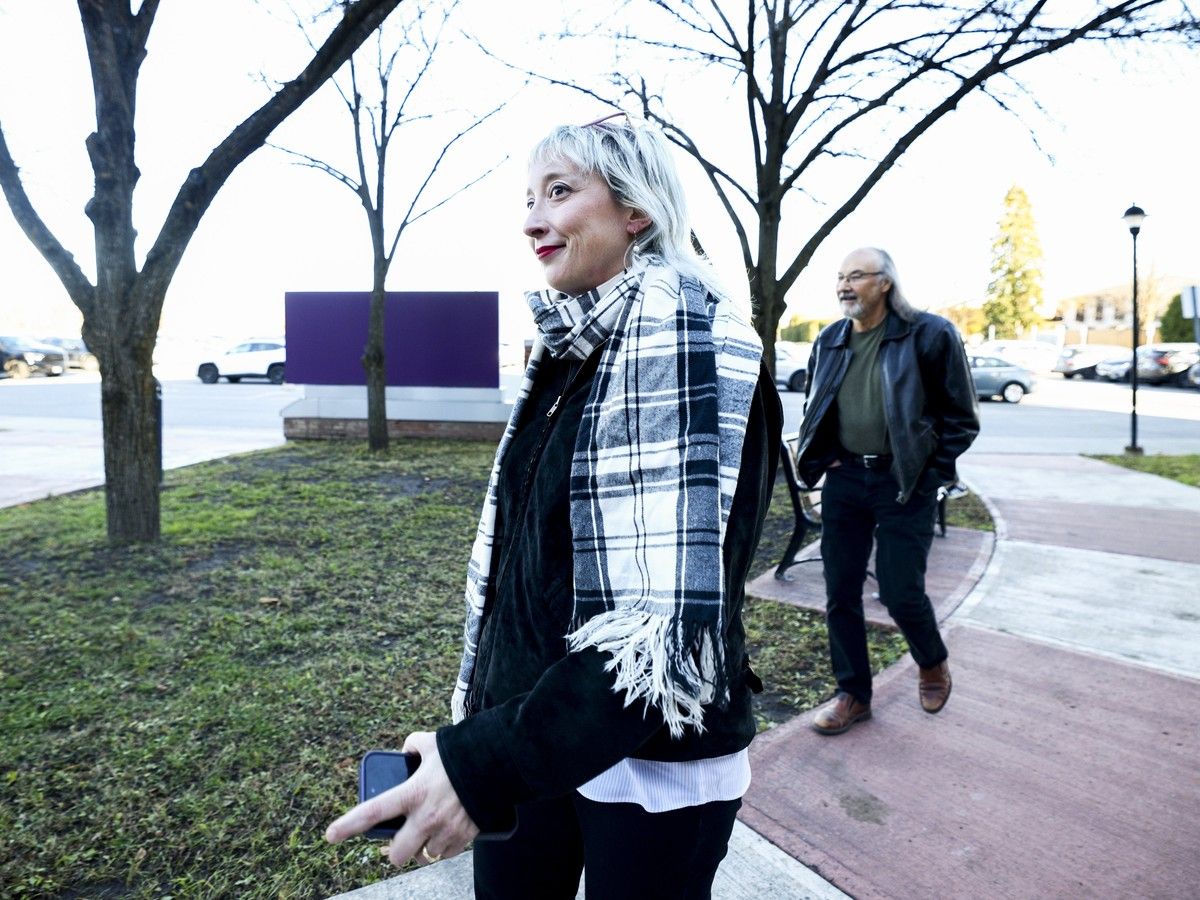
For Quaile, having legal opinion supporting them is important as she and Pringnitz continue to follow the lead of the legal professionals on the next steps.
“I think that the fact that we can get one legal opinion in short order about one aspect tells me that there’s probably a lot more to continue pursuing in this,” Quaile said.
Quaile decided to be sworn in on Monday, and said she doesn’t see the oath of office as a restriction on continuing her abilities to work as a trustee in a representational capacity.
“I did not have to sign that protocol document,” she said. “I simply had to sign the oath, which is something that every trustee before me has had to do, and something that I was eager to do.”
Why were powerless trustees sworn in?
It wasn’t always the plan for trustees to be sworn in while their school boards remained under provincial supervision.
However, the directive came from Education Minister Paul Calandra in late October, in response to what his office referred to as “concerning comments from newly elected trustees suggesting they will operate outside the normal standards of conduct.”
Calandra was clear that the swearing in “does not restore their governance powers,” as trustees would continue to hold no official role, have no access to school board email accounts or technology and receive no pay as long as the school board remained under supervision.
When asked to reflect on the point of being sworn in following her ceremony, trustee Cathy Varrette acknowledged that there may not be a point while the position remains relatively powerless.
“I have no idea why (the Ontario government) would choose to do this, other than to be able to enforce the code of conduct on us, and the code of conduct itself, when you read it, either means everything or nothing, and the interpretation is so giant that I could accidentally cross a line without even realizing it,” she said.
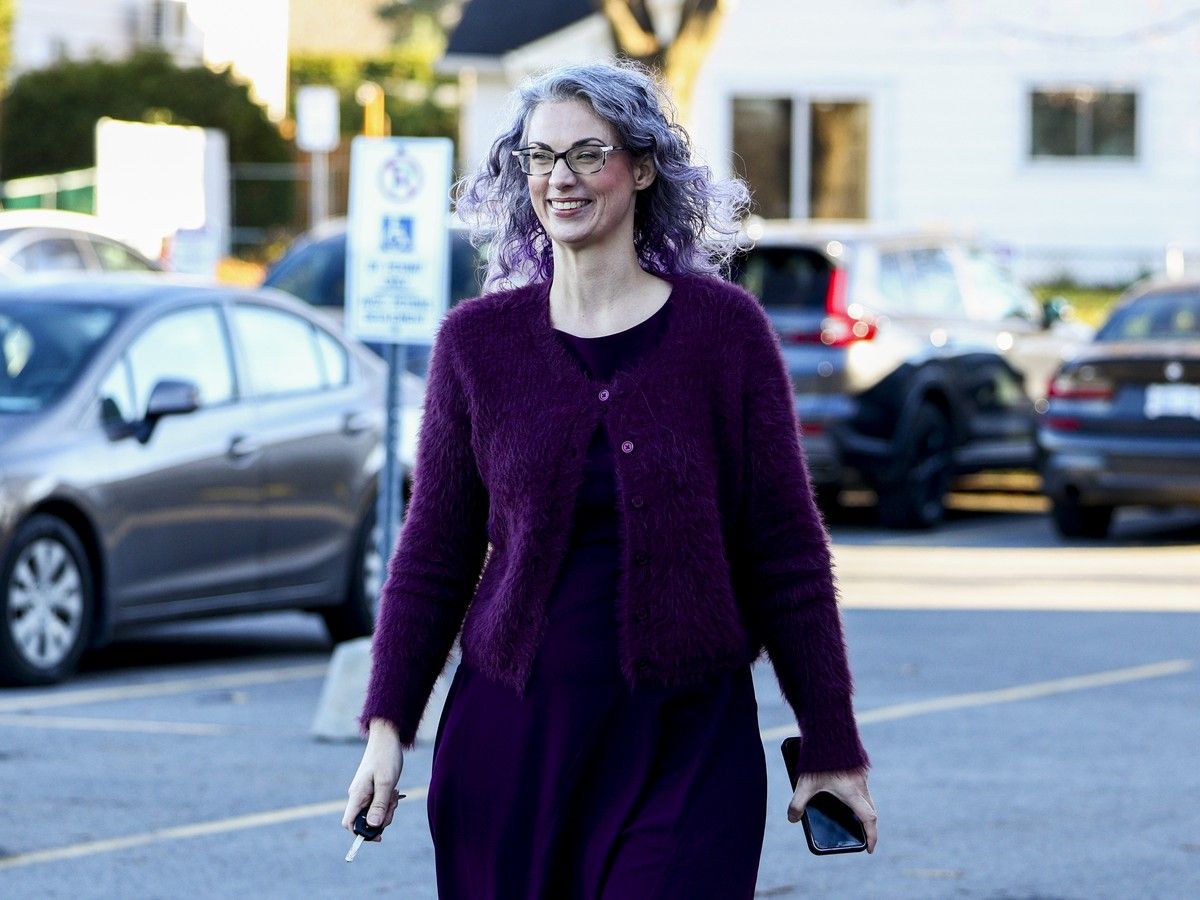
After asking questions to the school board to clarify what was written in the protocol document, Varrette said she received clarification that she could continue acting in her role as a parent advocate, as long as she doesn’t assume official trustee capacity.
“I feel like as long as we all walk in here with honesty and being true to ourselves and true to the guidelines as best as we can, I think that they will see that I’m acting in the best interest of everybody and I’m not just trying to manipulate the code of whatever it is that they think that we might do,” she said.
Closed-door ceremonies
During closed-door, individual 15-minute time slots on Monday afternoon, trustees officially took the declaration of office and oath of allegiance in the presence of the OCDSB supervisor Bob Plamondon, and CEO Stacey Kay.
It marked a different procedure from previous terms, when, prior to school board supervision, trustees were traditionally sworn in during a public ceremony.
This time, while trustees were able to invite family members into the room, media were told by school board representatives that they could not attend the “private ceremony,” and were asked to leave the building upon arrival in the board office lobby.
Quaile’s attempts to bring media into her ceremony as her invited guests were also denied, which she said she felt “wasn’t justified” and “wasn’t explained.”
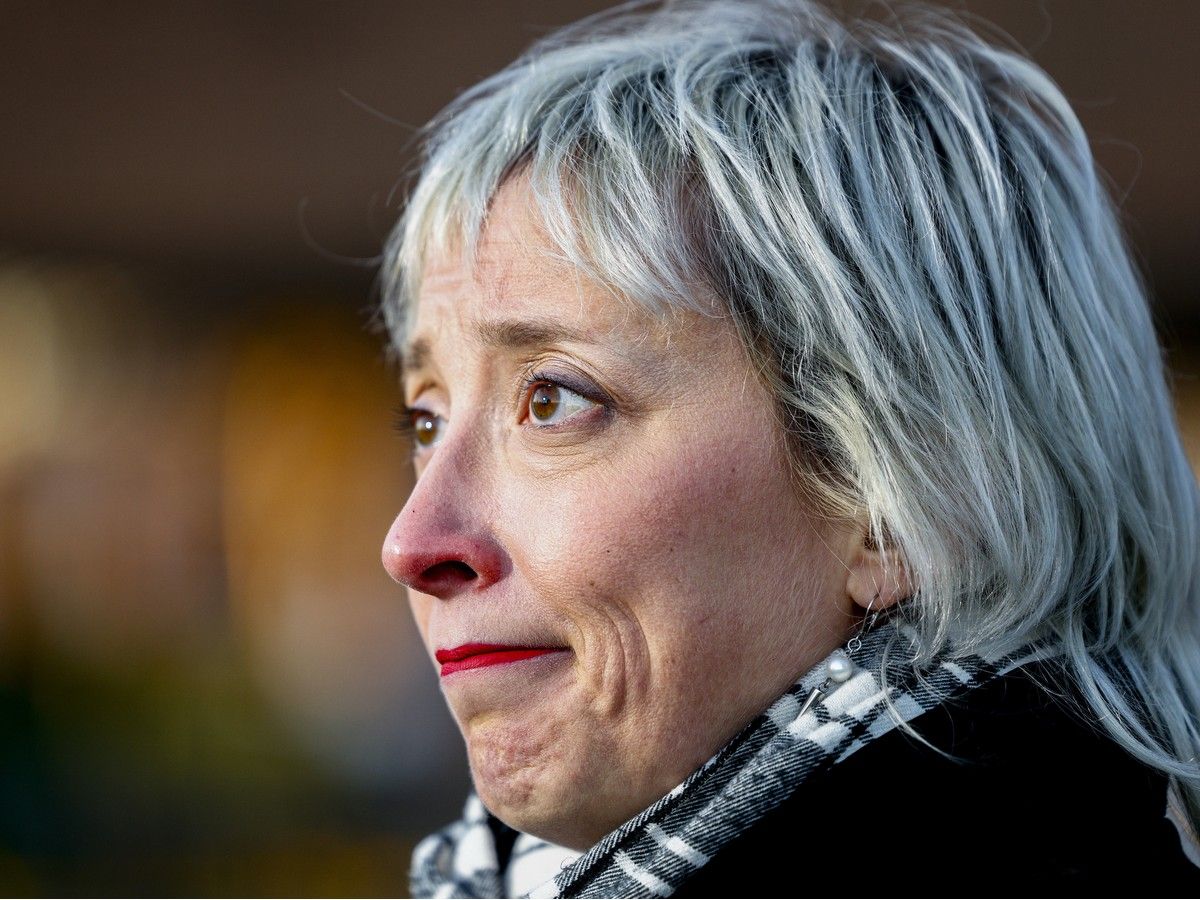
She even asked for the board representatives to come outside for her swearing-in so it could be in a public space where media could be present, but said the request was also denied.
“I think that public oaths are public for a reason,” she said following her swearing-in ceremony. “It’s a way for us all to understand that the state is protecting the voters’ wishes, and we have to make sure that every single thing that we do as elected officials are done in front of the public.”
Currently, the OCDSB is one of eight school boards across the province under supervision from the Ontario government. The province has not yet made it clear when it intends to lift its supervision of Ottawa’s largest school board.

