

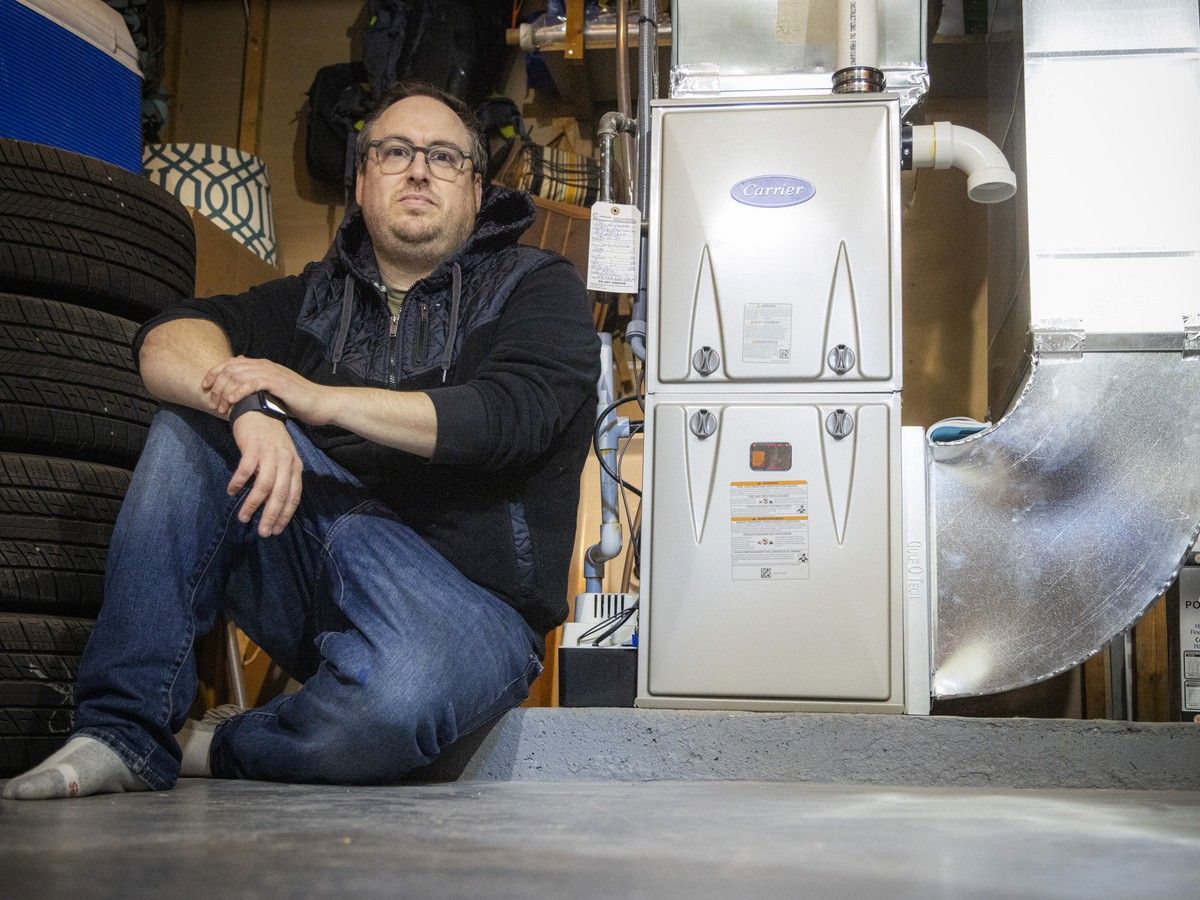
Scott McCreary returned home on Canada Day to find his basement floor under nearly a foot of backed-up sewage.
Almost everything in the basement was ruined: furnace, hot water tank, washer, dryer, furniture, toys.
“It was pretty devastating,” he said Saturday afternoon as he sat on the front stoop of his Highgate Road home. “It was just everything.”
McCreary estimated the torrential July 1 storm , a severe downpour that left thousands of Ottawa residents without power and flooded more than 7,500 homes, cost his family upwards of $90,000 to repair and replace what was lost.
Insurance, he said, covered just $10,000.
“I know that part of that is our own fault,” said McCreary, a first-time homeowner. “But it just boggles my mind that even the lowest or the base minimum for any type of insurance wouldn’t even cover restoration.”
Many Ottawa residents who suffered the brunt of the Canada Day flooding are still facing the aftereffects months later.
In neighbourhoods where the storm damaged properties beyond what private insurance would cover, some residents had hoped the provincial Disaster Recovery Assistance for Ontarians (DRAO) program might make up some of the difference.
On Highgate Road, those hopes were dashed earlier this past week, when College Coun. Laine Johnson announced on social media the province would not be extending the program further into her ward.
The program, which provides financial help to Ontarians in designated areas affected by natural disasters, currently applies only to eligible Ottawa residents in an area spanning from Britannia Bay to Hunt Club Road between Highway 416 and Greenbank Road.
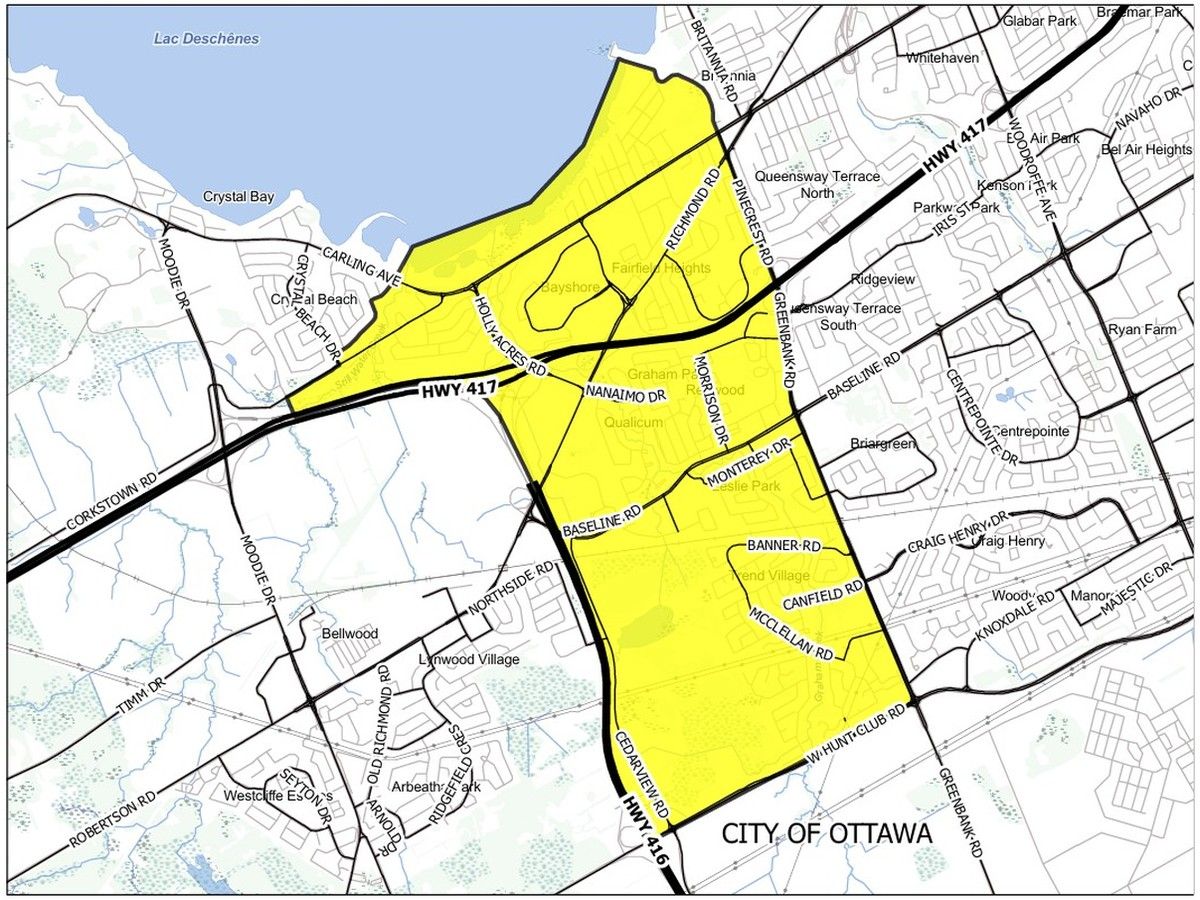
While negotiations with the province may be ongoing for other areas of the city, Johnson said, the “nails were in the coffin” for her ward.
“By not expanding the boundaries, you’re basically telling (area residents) that what they experienced as a disaster was not disaster enough,” she said.
‘Definitely a natural disaster’
The provincial relief program, in Johnson’s view, is “inadequate” as it applies only to overflowing watersheds and fails to account for “the equivalent of a river falling from the sky.”
McCreary agreed.
“It was an insane storm — it was definitely a natural disaster,” he said. “I understand that it’s not covered under the disaster relief, but, like, how could it not be?”
McCreary believes homeowners shouldn’t be punished for a sewer system that isn’t “up to snuff.”
In an unattributed statement, a spokesperson for the provincial housing ministry said the DRAO activation area was established using information provided by the City of Ottawa.
“Program activations are based on an assessment of on-the-ground conditions against DRAO’s objective eligibility criteria, which are intended to support individuals impacted by uninsurable weather events,” the statement read.
“We continue to work with the City of Ottawa to support those impacted by flooding in the region including requesting additional documentation from the city to assess whether further areas meet the criteria for program activation.”
‘Unreal’ rain water
Leanne Kessler feels the province is shirking its responsibility.
She has lived on the Highgate Road for more than two decades — long enough to have experienced four major floods.
This time, she said, “the rain water was just unreal.”
Kessler, who lives on the main floor, rushed to help clear out of her sister’s basement apartment as soon as they noticed dirty sewer water seeping back into the home.
“The water was spreading further and further into the basement,” she said. “By the time it finished that afternoon, it was up to our steps going up to the upstairs.”
Working together, the sisters managed to save a few items, but the rest were lost under water. In the end, two feet of drywall had to be torn out and the repair bills ballooned to more than $25,000.
Although their insurance company cut a cheque to cover that expense, Kessler recognized not everyone living on that street was so lucky.
For those left in limbo by private insurance, she said the provincial government’s decision to exclude their neighbourhood from the disaster recovery program showed a failure to accept responsibility. She blames an aging sewer system that couldn’t handle the scale of the downpour.
“We do everything that the city tells us to do,” she said. “Makes you feel all your taxes have gone in their pockets for them.”
Given the rare intensity of that July 1 storm, Johnson believes market insurance “really doesn’t meet the moment.”
“The government is supposed to fill those gaps,” she said. “And here we are with the province of Ontario not demonstrating flexibility.”
Don’t let algorithms hide the follow-up. If you are tracking this story, make the Ottawa Citizen a preferred source so you get our live updates the next time you search.