Hantavirus is a rare but potentially deadly virus carried by rodents, and a recent outbreak aboard a cruise ship near Cape Verde has renewed global attention on how it spreads and what risks it poses — including for Canadians.
A suspected hantavirus outbreak aboard the MV Hondius, a Dutch‑flagged cruise ship off the coast of Cape Verde, has resulted in seven cases, including two confirmed infections, three deaths, one critically ill patient and three with mild symptoms.
The ship, carrying 147 passengers and crew from 23 countries, has been held offshore while health authorities investigate. Passengers from Britain, the U.S., Spain and other nations were on board, and four Canadians were among the 150 people stranded, though Global Affairs Canada says there are no reports of Canadians being directly affected.
“Three suspected cases have reported high fever and/or gastrointestinal symptoms and remain on board. Medical teams in Cabo Verde are evaluating the patients and collecting additional specimens for testing,” the World Health Organization (WHO) stated.
What to know: Hantavirus, its origins, and how it spreads
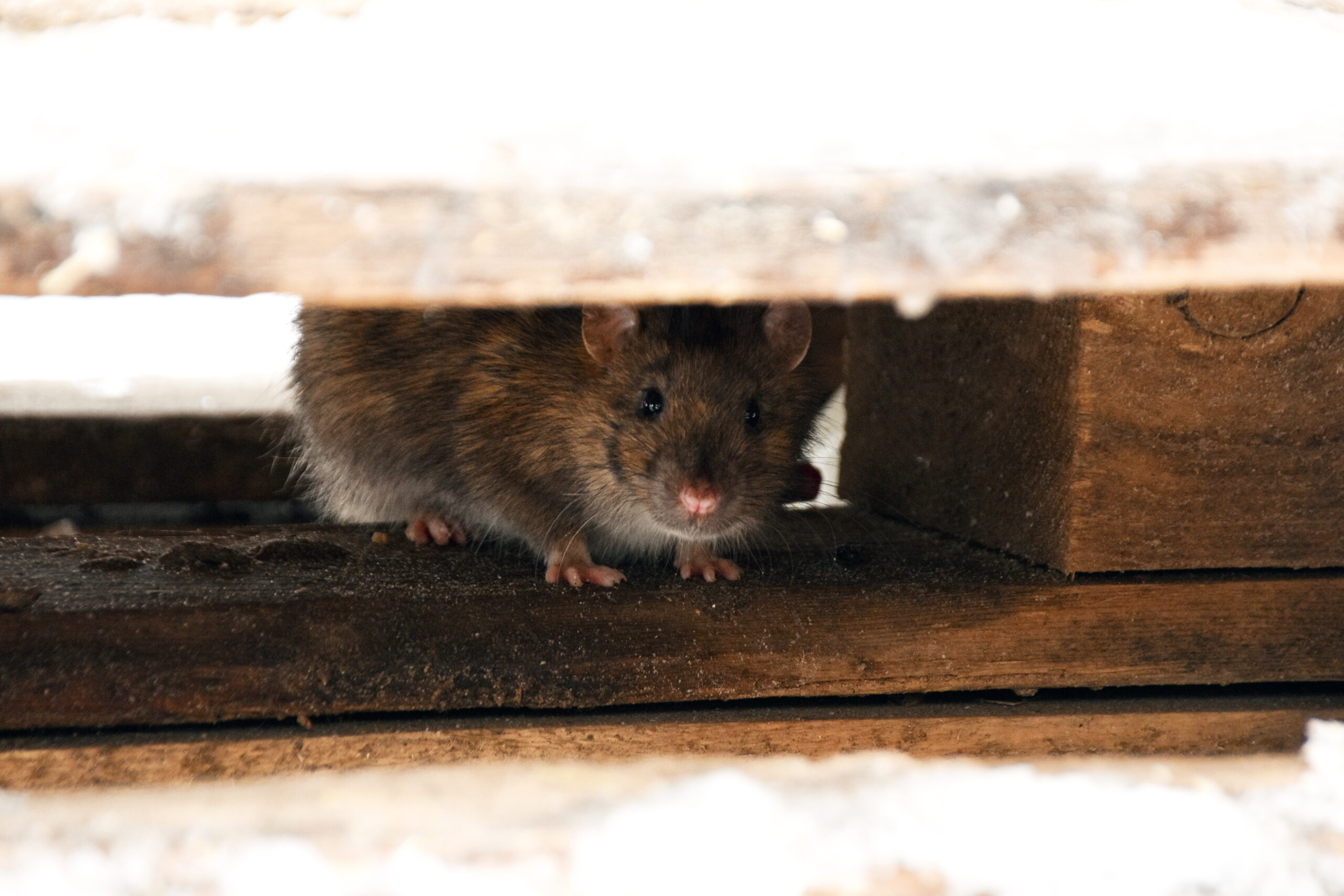
Hantavirus refers to a family of viruses primarily carried by infected rodents, and humans typically become sick after inhaling particles from rodent urine, droppings or saliva.
The virus is known to cause severe respiratory illness, including hantavirus pulmonary syndrome, which can progress rapidly to pneumonia, respiratory failure, and shock.
While hantavirus infections are rare, they can be fatal. There are no specific antiviral treatments, and care often involves supportive measures, including ventilation in severe cases.
“Hantavirus infections are associated with a case fatality rate of <1–15% in Asia and Europe and up to 50% in the Americas,” the WHO said.
Human‑to‑human transmission is extremely uncommon, though the WHO has noted that limited person‑to‑person spread has been documented in past outbreaks of certain hantavirus strains.
Where hantavirus comes from
WHO says the outbreak began between April 6 and April 28, with symptoms including fever, gastrointestinal issues and rapid progression to respiratory distress. Despite the severity of some cases, the WHO continues to assess the risk to the wider public as low.
Hantaviruses are found worldwide, but the specific strains vary by region. They are closely linked to rodent populations and their habitats, meaning outbreaks often occur in areas where humans come into contact with contaminated environments — cabins, barns, sheds, forests or, in rare cases, cruise ships where exposure may have occurred before boarding.
The primary route of transmission is airborne exposure to contaminated rodent droppings, urine or saliva. WHO notes that the first infected passenger may have contracted the virus before embarking.
Could this impact Canadians?
For Canadians, the immediate risk remains low, according to the WHO and Canadian officials. However, the outbreak highlights several considerations:
- Travel exposure: Canadians travelling to regions with known rodent populations — including remote areas visited by expedition cruises — may face increased risk.
- Rodent control at home: Canada has its own rodent‑borne hantavirus strains, particularly in rural Western Canada, making proper rodent‑proofing and cleanup practices important.
- Global mobility: As seen in this outbreak, passengers from multiple countries can be affected, underscoring the importance of monitoring symptoms after international travel.