

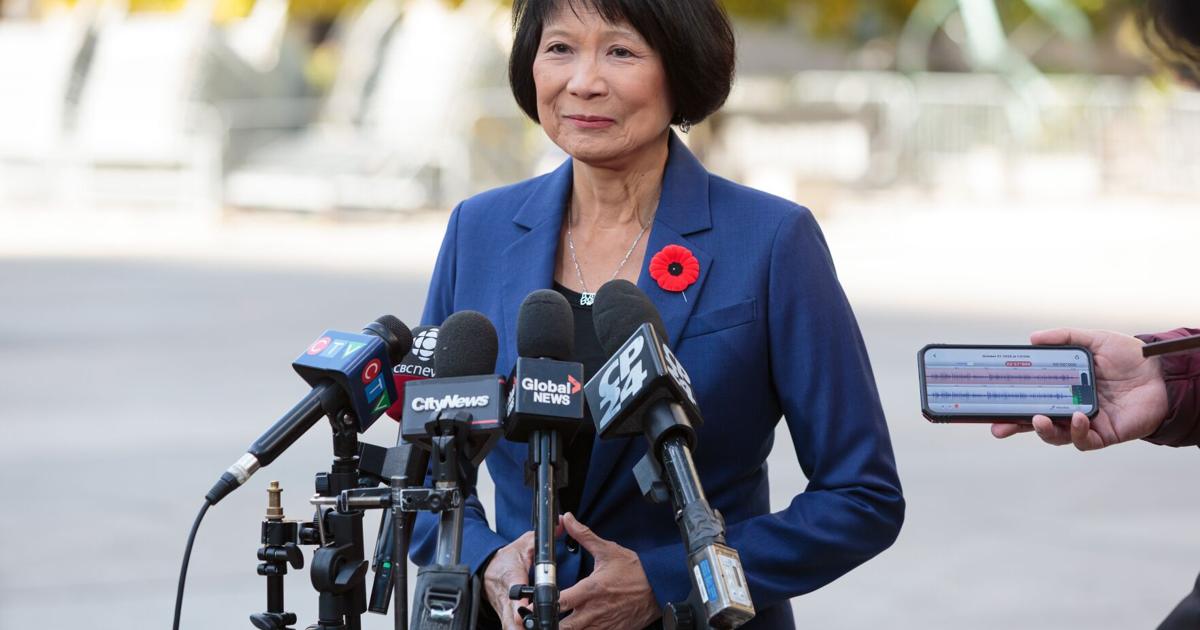
Despite facing a strong opponent who argued Mayor Olivia Chow had lost momentum and left Toronto stuck with intractable problems, electoral data compiled by the Star shows she increased her support in every ward in the city.
From Scarborough to Etobicoke, the lakeshore to North York, Chow turned tepid support warm and warm support hot, a ward-by-ward analysis shows. Her biggest increases, with swings higher than 20 per cent over her 2023 results, came from unlikely spots: northwest Etobicoke, where Ford Nation has traditionally supported right-wing politicians, and Beaches—East York, where her opponent, Brad Bradford, was city councillor for two terms.
“It’s an impressive result,” said Dennis Pilon, a professor and chair of the department of politics at York University. “There’s plenty of division across the city, but Chow has been very effective at drawing together her coalition on the issues that are important to them.”
While Chow’s support on election night was more decisive than many polls predicted, the results still show a city divided on many issues, from bike lanes to Pride flags.
The Star’s Vote Compass data allows readers to look past vote share and gain insights into particular issues that spurred Monday’s surge in voter turnout, which is rare in an election featuring an incumbent mayor.
On some issues, like allowing more multi-unit housing, Chow was in alignment with voter sentiment across the city. On others, like more money for policing, she found herself offside with the views of voters in nearly every ward.
“That Chow has support for more bike lanes in downtown Toronto is predictable, but the fact that voters across the city didn’t support more police funding is more interesting,” said Nelson Wiseman, a professor emeritus of political science at the University of Toronto.
A full breakdown of how Chow lined up with the views of Torontonians on each of the Vote Compass’s 29 questions shows broad agreement — 82 per cent — with the mayor’s view that green space should be prioritized over housing.
But only nine per cent of voters aligned with Chow’s position that property developers should not pay a greater share of the cost of road, water and energy infrastructure needed to support new housing construction.
Of course, not every issue provided such stark contrasts. In many cases, Chow’s position aligned with a small majority of voters, similar to the share she received in the election. This reflects her decades of experience in politics and her ability to mobilize support, Pilon said.
“This data adds a lot of weight to that idea that we can see here that on a whole host of really important issues, you know, she’s very much in line with where the public is,” he said.