
Ottawa is one of the few municipalities in Ontario that will apply development charges on a new hospital build, but the financial impact that will have on the project still remains to be seen.
When the City of Ottawa amended its development-charge bylaw in 2024, it removed a clause that included an exemption for hospitals that had been on the books for decades.
The change came in response to the prospect of a new Civic campus at The Ottawa Hospital, particularly when hospital officials asked the city to contribute $150 million toward the local share.
According to a staff report at the time, one of the “opportunities” to come up with this money was through development charges — one-time fees levied by municipalities on new building projects to help pay for a portion of growth-related capital infrastructure requirements.
These fees are discretionary for municipalities, but common for residential projects. But most municipalities in the province, including Ottawa until recently, have exemptions for hospitals in their development-charge bylaws.
These new fees were a point of contention with Ontario Infrastructure Minister David Piccini in October, when he revealed the province’s contribution to the new Civic campus had surged to nearly $10 billion .
When the project was originally announced in 2021, it was projected to cost a total of $2.8 billion: $2.1 billion from the province and a $700-million local share. While the project’s total cost has yet to be revealed, Piccini attributed the nearly 400 per cent increase in provincial funding to supply-chain issues, municipal fees and development charges.
But the City of Ottawa says it has not set the area-specific fees that will be levied on the project, so the additional cost to the project is not yet clear.
Cyril Rogers, the city’s chief financial officer, says staff continue to assess the special area development charge, including applicable infrastructure and costs, and will report back to council “when this work is ready with additional details and recommendations.”
If an infrastructure project generates costs to the municipality, the Development Charges Act allows municipalities to recoup some costs, Rogers said.
“The intent is to recover eligible growth-related costs associated with off-site municipal infrastructure needed to service the new hospital. This will reduce costs that would otherwise need to be supported through property taxes and user rates,” he said.
Another contributor to the rising cost of the hospital, according to the province, is the changing scope of the project. Earlier in November, the health ministry said that its contribution to the new hospital had increased so much because the “initial cost estimate for this project was based on a years-old submission” and that “additional work and requirements” were identified through the planning process.
When asked for additional details, ministry officials did not respond .
It is also not clear what other municipal fees Piccini was referring to, and his office has not responded to questions asking them to clarify. At a city council meeting on Nov. 12, Coun. Riley Brockington put forth an inquiry about the specifics.
“What are the specific fees the minister is referring to, and what is the total estimated sum of those fees?” Brockington asked. The question was referred to staff before the meeting was adjourned.
While it may be allowed under provincial law to levy development charges on a hospital project, it is incredibly rare.
There are 18 major hospital projects listed on Infrastructure Ontario’s website that are either under construction or in the procurement phase. Fifteen of those municipalities include exemptions for hospitals in their development-charge bylaws.
The change in Ottawa lays the groundwork for the city to collect extra revenue to help pay for municipal services in the area surrounding the hospital. A staff report at the time of the change said the municipal local share contributions could be made in a variety of ways, including the application of area-specific development charges.
These charges would “allow the city to collect the applicable development charge revenues to fund the capital works required to service the new Civic Campus site.”
“The proposed change to create an area-specific charge allows the city to complete the off-site works, funded 90 per cent through development charges, and will count towards the municipal local share,” the staff report reads.
Until the change was made, the city waived development charges and permit fees on health-care projects on a case-by-case basis.
While the province has been critical of the city’s decision to levy development charges on the new Civic hospital campus, local politicians say those fees are not to blame for the skyrocketing price.
Ottawa South Liberal MPP John Fraser said blaming development charges for the rising cost of the hospital was “a bit of a spurious argument.”
“There’s a whole bunch of reasons these costs got out of control. It’s not because of development charges,” Fraser said. “There’s been no transparency around this, and no one’s coming out and saying, ‘Here’s what’s happening.’”
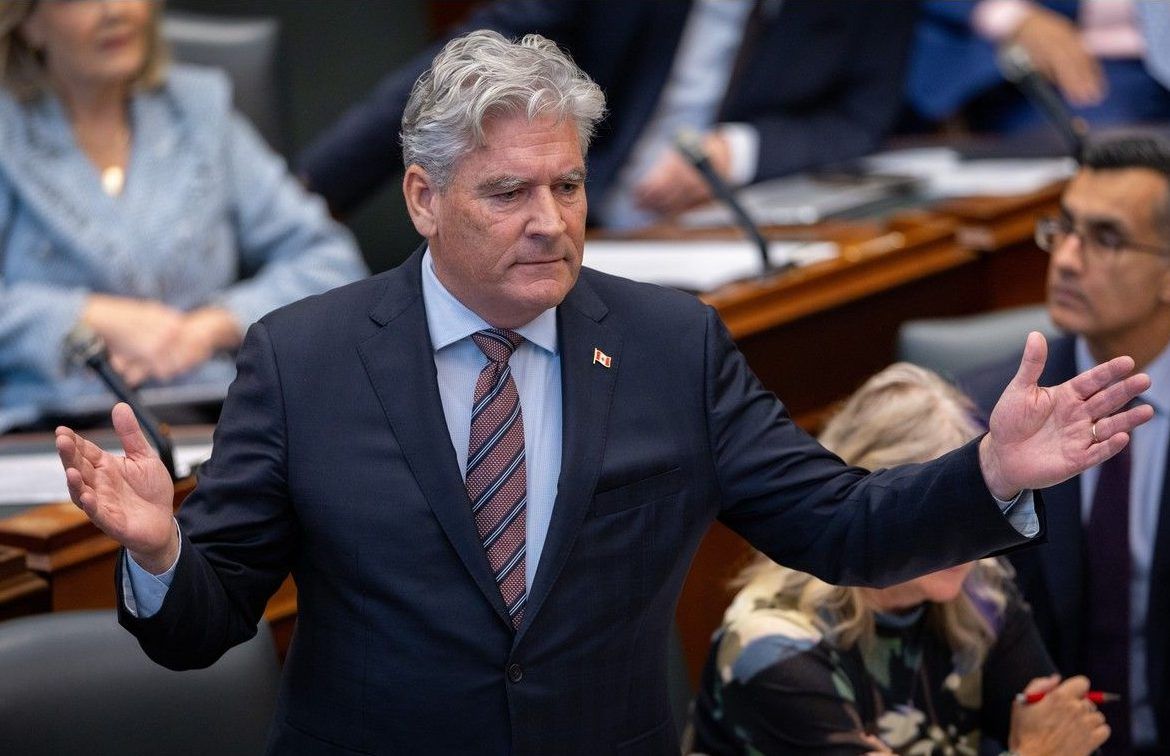
Fraser blamed the way the project was procured as the main reason the price had risen so dramatically. It wasn’t a fixed-price construction bid, he said, and there was only a single bidder.
The hospital project was put to tender in November 2022, and, when that process closed in October 2023, there was a single bid for the project: a joint venture between PCL Construction and EllisDon.
It was done through a method called progressive procurement, meaning the specific details of the job, including cost, were to be worked out after the bidder was chosen. Under this model, Fraser said, there’s no incentive to keep costs low because there’s no competition.
Catherine McKenney, New Democratic Party MPP for Ottawa Centre and a former city councillor, said this likely contributed to the increased cost.
“We have a provincial government that continues to rely heavily on the private sector, and in this case it’s sole-sourced, so they’ve been held, I think, a bit hostage, and that’s not the fault of the municipality, and local taxpayers should not bear that,” McKenney said.
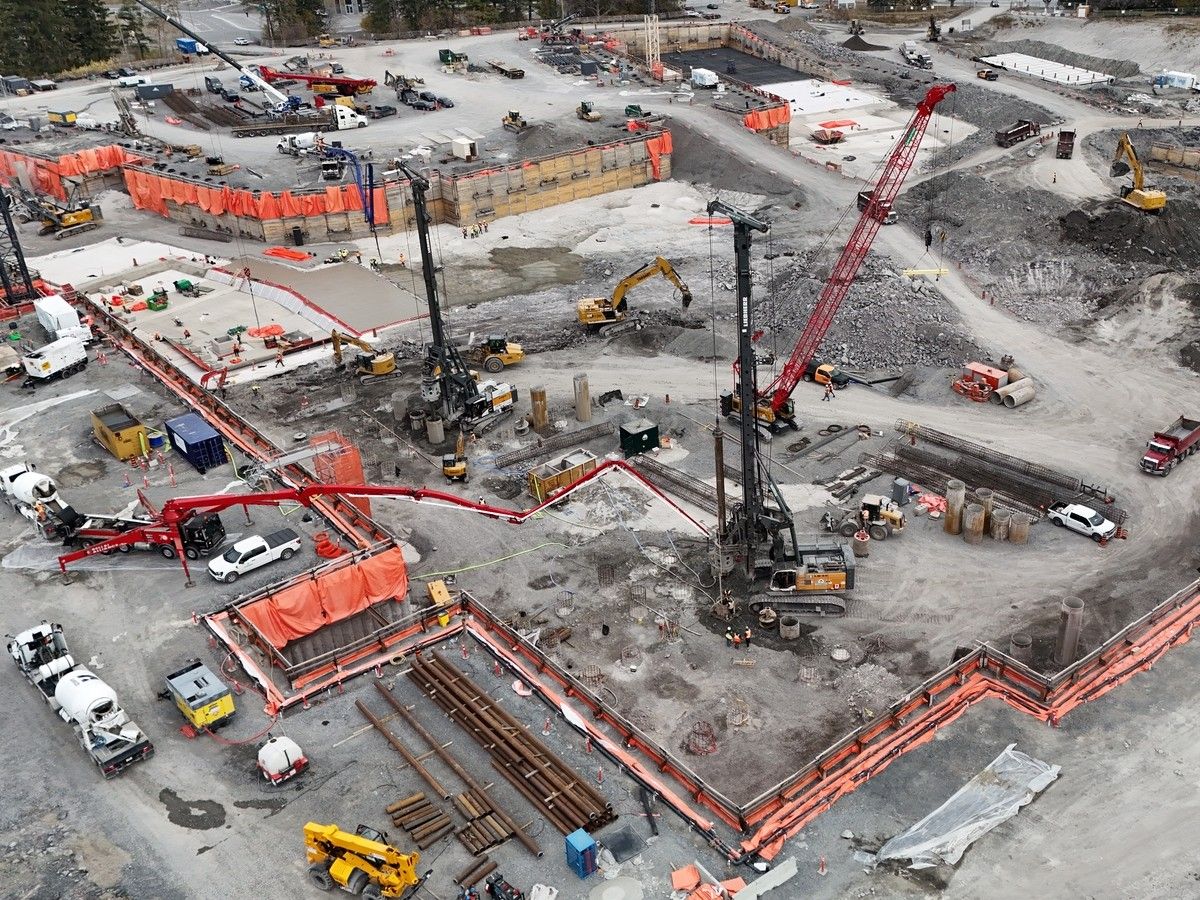
The new hospital is the biggest health-infrastructure project in Ottawa’s history, and, when complete, it will be one of Canada’s largest and most modern teaching hospitals. It will include 641 in-patient beds, including nearly 100 critical-care beds.
Neither the hospital nor the province have revealed the true cost of the project, and it’s also unclear whether the local share of $700 million will also rise.
As a city councillor in 2022, McKenney voted against the idea of spending $150 million in city money toward the local share. They now say the city does have a role to play — but not more than what was originally requested.
“I see absolutely no responsibility for the city to agree to pay more than up to $150 million. It would make absolutely no sense that the municipality would be on the hook for that increase in construction costs,” they said.

McKenney believes any development charges applied to the project wouldn’t add to the cost in a meaningful way and questioned the province for saying that was the reason.
“I don’t know how they could make that claim,” they said. “They are based on the land use and the requirements for servicing the hospital, so that, to me, was scapegoating the municipality and the taxpayers in the City of Ottawa.”
Earlier in November, Mayor Mark Sutcliffe said the City of Ottawa was considering the $150-million request to help pay for the local share, but it would not shell out billions of dollars to help account for cost overruns.
Fraser called on the province to be more transparent about where the cost increases were actually coming from.
“It’s 10 years later and we’re just finding this out now, and no one has really come out and given a rational, reasonable explanation for what’s happened,” Fraser said.
“Here’s what I know: We have a parking garage and a hole in the ground, and it’s almost 10 years later with no end in sight.”
Take control of your search results. Make the Ottawa Citizen a preferred source on Google and see verified local reporting first.
Related
For more health news and content around diseases, conditions, wellness, healthy living, drugs, treatments and more, head to Healthing.ca – a member of the Postmedia Network.