

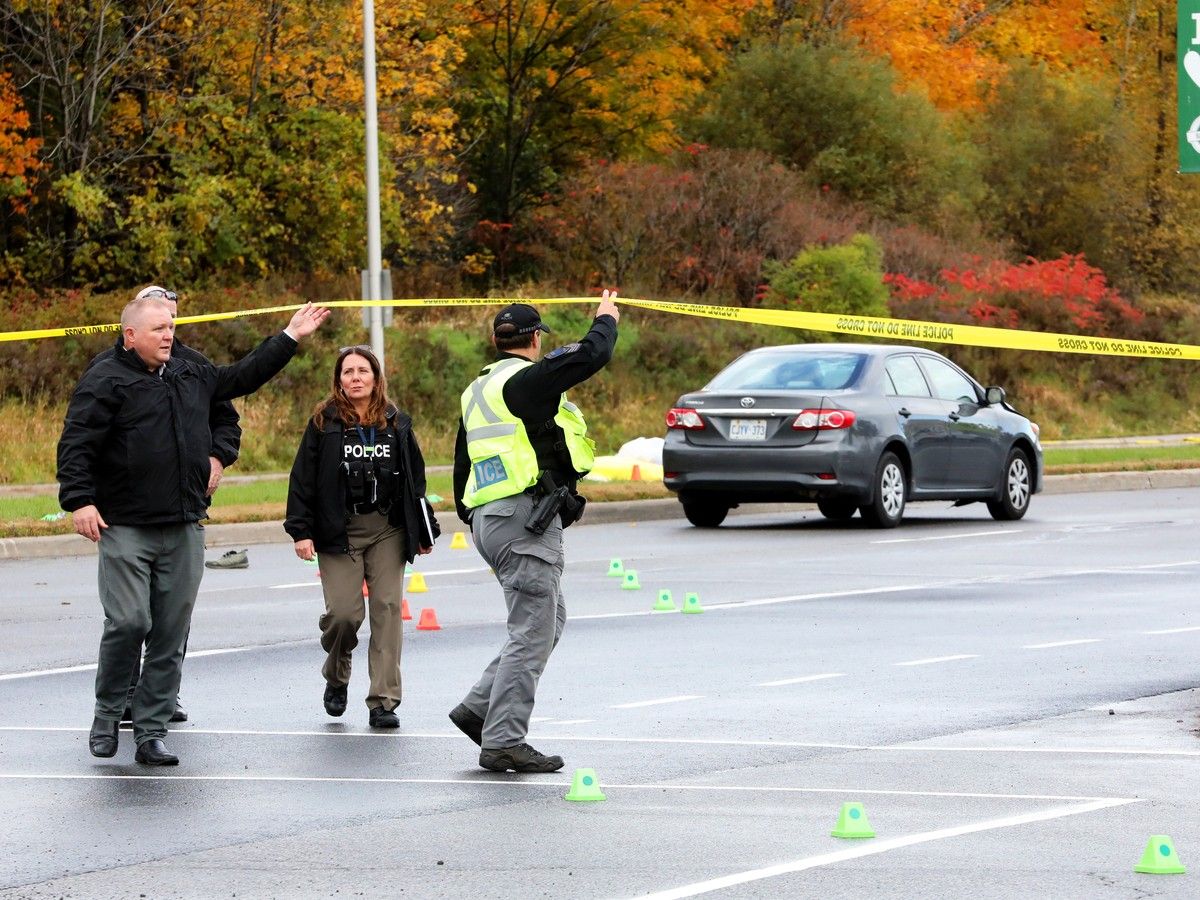
People are dying on Ottawa roads in numbers not seen in a decade.
In one October week, police were called to at least six serious collisions, five of which involved pedestrians or cyclists.
Two people died on the same day — Oct. 21 — succumbing to their injuries on the spots where they fell. A 71-year-old female pedestrian died after being struck by a vehicle in Barrhaven, while a 78-year-old male driver lost his life in a crash involving a load of farm equipment in the rural east end.
Those unidentified seniors were the 31st and 32nd victims of traffic-related incidents in Ottawa in 2026, marking a 10-year high. In four of the past five years, the number of traffic-related fatalities attended to by the Ottawa Police Service was a steady 23.
Data from other local enforcement agencies, including the Ontario Provincial Police and RCMP, are not included in the tally.
What are Ottawa police doing about traffic safety?
It’s no secret the Ottawa Police Service is concerned about this year’s spike in road fatalities, which included the shocking death of Barrhaven school-crossing guard Peter Clark, mowed down during a morning shift last spring by a teenager in a pickup truck.
Fast forward six months from that incident to October and the casualties continue to add up. Following the 29th traffic-related fatality of the year, the OPS issued an “urgent” appeal to prioritize road safety, including a list of common-sense tips for drivers and other road users.
For their part, OPS officers have been stepping up enforcement, continuing traffic blitzes in high-risk areas and targeting stunt driving. Dozens of offence notices have been issued, and drivers are getting an earful from officers, especially regarding the perils of distracted driving and speeding.
There was also an emotional video posted by police this week in the hope of tracking down the hit-and-run driver who killed a 21-year-old motorcyclist near Merivale and Hunt Club roads on Oct. 2. The video featured a photo of the vibrant young woman and a heart-wrenching statement from her parents.
Still, some observers say these measures are not enough, partly because so many more people are using city roads due to enhanced public service return-to-office mandates. What’s more, everyone out there seems to be in a hurry, but, thanks to Premier Doug Ford, speed cameras are no longer an allowable enforcement tool.
Adding to the traffic fray of 2026 are e-scooters and other increasingly popular micro-mobility transportation options.
Of course, there’s also the addictive nature of ever-present mobile phones, not to mention the impending shift to winter driving conditions, with shorter daylight hours and slippery roads.
Is the situation going to get worse?
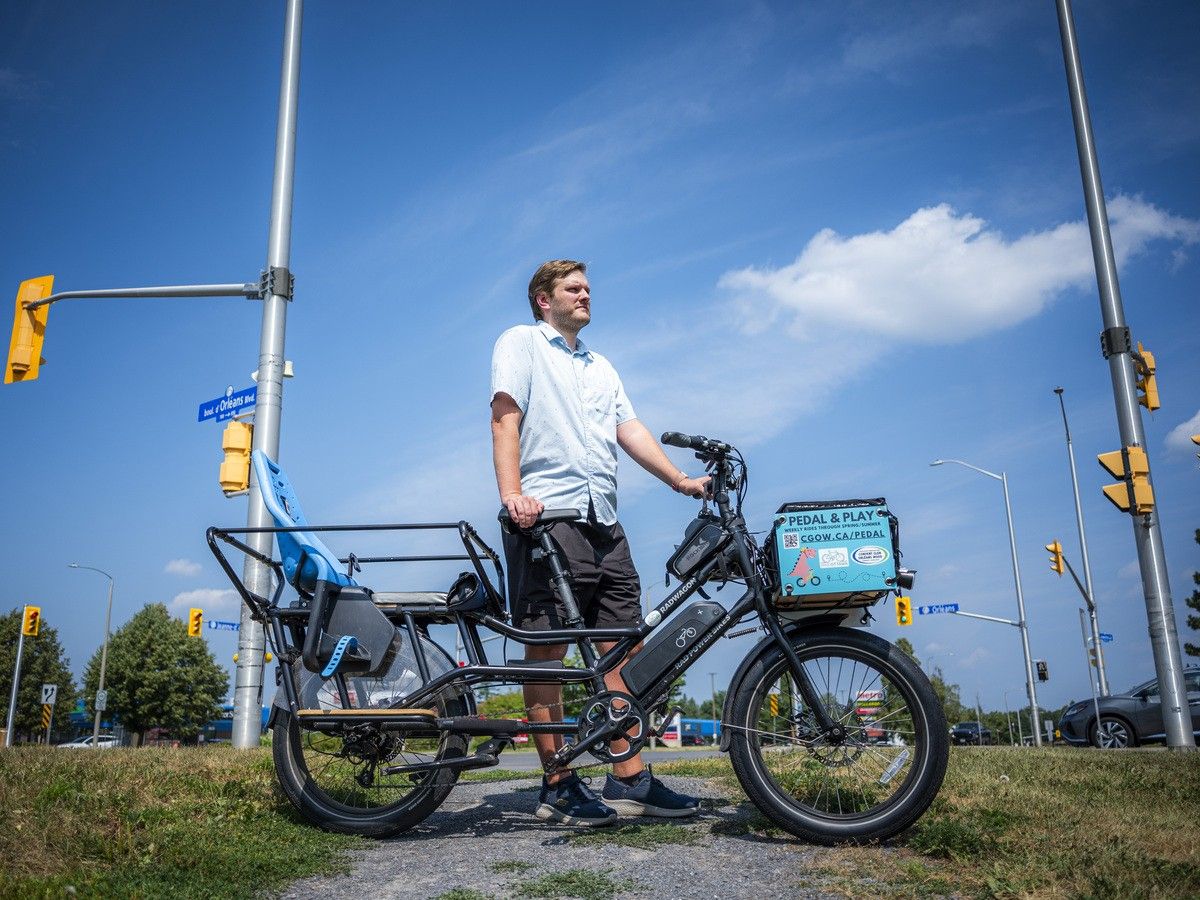
Not if Vision Zero has its say. To find out what else can be done to stop the scourge, we checked in with the folks at the Ottawa chapter of the global movement that, according to member Rob Attrell, challenges governments to treat driving as a “responsibility, rather than a right” in order to eliminate traffic-related deaths and serious injuries.
The primary problem in Ottawa, and many other cities, lies in the design of roads, Attrell says, explaining that too many roads are designed for drivers to go faster than the speed limit.
“If the speed limit is going to be set at 60,” he says, “the roads are designed to be perfectly safe for people driving faster than 60. That’s intended to give drivers a buffer so that, if they make small mistakes, it’s not consequential for them. But what ends up happening is that drivers go faster than the speed limit.”
Would reducing speed limits help?
Reducing speed limits does help, Attrell says, but it’s better if it’s done in co-ordination with other traffic-calming measures, such as speed bumps, protected intersections or, ideally, redesigned roadways. The goal would be to make roads narrower, perhaps by installing curb extensions, reasoning that, if it’s more challenging to navigate a road, drivers tend to slow down and pay attention.
Why do so many collisions happen on roads like Strandherd, Merivale and Greenbank roads?
Ottawa has a preponderance of “stroads,” which is an urban-planning term for “street-road” hybrids that are trying to do two things at once, according to Attrell.
“They’re trying to be a transportation corridor, but they’re also a way for people to drive to local destinations, like laneways or shops or parking lots, which is much slower,” he says, adding that Vision Zero advocates for better planning with new roads and redesigning old ones.
Aren’t vehicles designed to be safer these days?
Modern vehicles are designed to be safer, but that design often comes as a bigger, heavier vehicle with wide metal frames that make occupants feel more protected, but obstruct sightlines. In higher SUVs and big pickup trucks, the driver can see further down the road, but sometimes not right in front of the vehicle.
“If a small child or even just a regular-(sized) adult is right in front of you, you can’t see them nearly as well,” Attrell says, adding that “traffic (collisions) are getting safer for the drivers and for passengers, but not for the people or cyclists outside the car.”
Should police do more traffic enforcement?
Dangerous behaviours like stunt driving and distracted driving require constant enforcement.
“You can go out to any street right now and just watch people, especially at intersections, where they might be stopped for a few seconds,” Attrell says. “You will see distracted driving going on all the time, not just when people are stopped, but all the time.”
If you have a cellphone in your hand while driving, be warned that you could get a hefty ticket.
A first-offence, distracted-driving ticket carries an out-of-court fine of $615, plus three demerit points and a three-day licence suspension. The fine can go up to $1,000 in court, and even more upon subsequent offences.
Until city hall finds the budget to redesign our stroads, what can Ottawa residents do to curb the carnage?
Slow down, put the phones away and leave earlier to get to your destinations. “It’s as simple as leaving a few minutes earlier to get somewhere,” Attrell says. “Everyone wants to be on time for things, so, if you’re even five minutes late, you think you can make it up by going 10 or 15 or 20 kilometres and hour over the limit.
“It’s just natural behavior, but I would encourage people to just leave five minutes earlier. It’s also okay to be five minutes late if it means that the people around you on the roads are going to be safer.”
Related
Take control of your search results. Make the Ottawa Citizen a preferred source on Google and see verified local reporting first.