VICTORIA – British Columbians go to the polls today in an early election called by NDP Leader David Eby in the biggest gamble of his political life.
The five-week campaign saw the major parties fight over issues from health care to housing, the province’s record deficit and the increasing cost of living.
Polls open at 8.a.m. and close at 8 p.m. in the snap election that Eby called two years early, initially saying he needed a new mandate to tackle challenges posed by U.S. President Donald Trump.
But Eby said Friday the election was needed to end the frustrations of a “stalled out” legislature where the NDP held a one-seat majority, and he regretted not making that clearer.
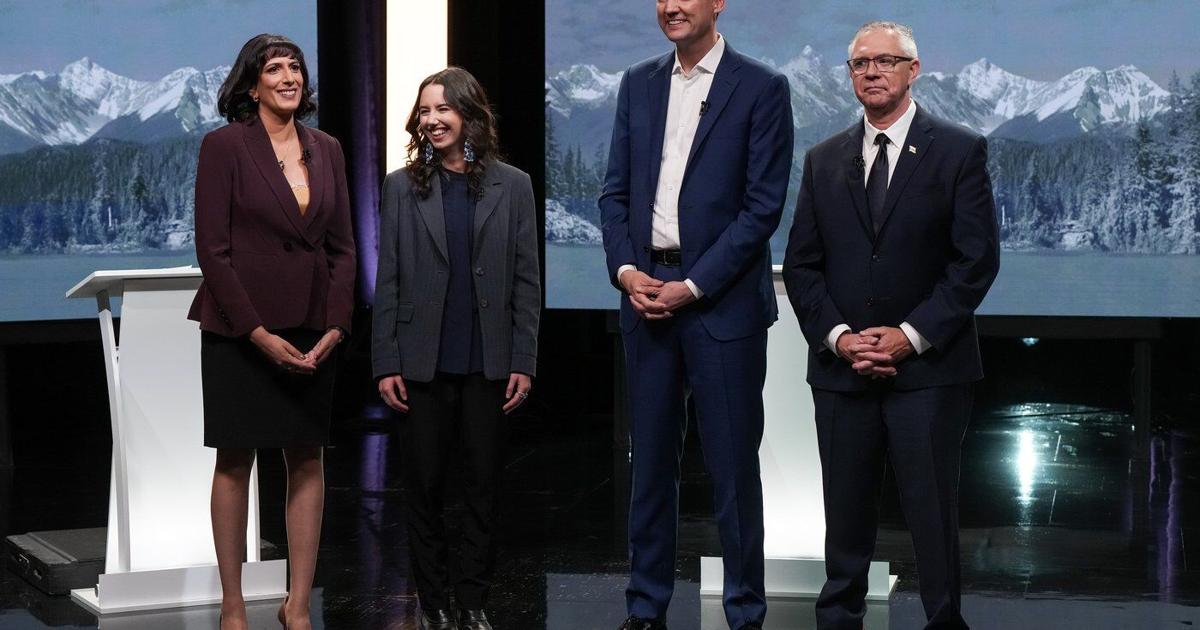
Interim Conservative leader Lorne Doerkson secured his party’s top job two days before the election call in September, and managed to woo back legislators who quit the party under the divisive leadership of Kerry-Lynne Findlay.
It’s Green Party Leader Emily Lowan’s first provincial election and Eby spent the closing days of the campaign urging her party’s supporters to consider voting NDP to prevent splitting the vote.
The legislature at dissolution officially consisted of 47 New Democrats, 29 Conservatives, two Greens and 13 Independents, with two vacant seats.
But that does not take into account that most of the nominal Independents were Conservatives who returned to the party after Doerkson became interim leader — they may not all be reflected in the official numbers, but the Conservatives went into the election holding about 37 seats.
Elections BC has said votes cast on election day will be counted by hand, despite electronic tabulators being used for the first time in 2024. The agency cited the tight timelines in the snap election and the technical requirements to get the machines up and running.
Mail-in and absentee ballots won’t be counted until about two weeks after election day, with Elections BC saying it needed time to ensure that only eligible voters vote, and only once.
More than 891,000 advance votes were cast, representing about 24 per cent of all registered voters.
The campaign saw the NDP propose a new tax bracket for those making more than $1 million to help fund health care, while pledging price caps on some basic groceries and to create a training program for qualified international medical graduates already living in B.C.
The Conservatives promised no tax increases and to raise B.C.’s basic personal income tax exemption from $13,216 to $32,000, resulting in a $1,000 tax cut for most individual workers.
Doerkson said his top priority was repealing the Declaration on the Rights of Indigenous Peoples Act.
The Greens promised to tax household wealth over $50 million, to open a community health centre in every riding, and to reform the province’s oil and gas royalty framework.
Other parties contending for votes include CentreBC, led by former Conservative Elenore Sturko, and OneBC, whose interim leader Dallas Brodie is another former Conservative.
This report by The Canadian Press was first published Oct. 24, 2026