Andrew Barnett has a routine.
Every morning, after waking up at a shelter in downtown Ottawa, he takes a short walk to Centre 454 in Sandy Hill for breakfast.
After breakfast, he might use the centre’s laundry service or the clothing vouchers it has given him to get something new.
Barnett also knows 454 will give him lunch every day and top him off with whatever toiletries he needs.
“At the shelter, you have to be out by a certain time, during the daytime,” Barnett said, adding that, in contrast, 454 was an “anchor, where you can stick around all day if you want. It’s like a mini home base.”
But Barnett isn’t sure his routine will persist after 454 relocates in January 2027.
The City of Ottawa has told the service it must move from its corner location at King Edward and Daly avenues to continue receiving municipal funding. In 2025, that financial support was more than $4 million.

Barnett and other 454 “participants,” as they’re called, say that they aren’t sure how far they’d be willing to trek in winter and that it depended on where 454 moved. Those who work in the sector say that’s exactly what concerns them.
While the centre’s executive director, Shauna Young, isn’t sure where 454 will end up, she said it was “engaging in a feasibility study to look for appropriately located interim and permanent spaces,” meaning she hoped to find a new location that could serve the same individuals.
454 and its services
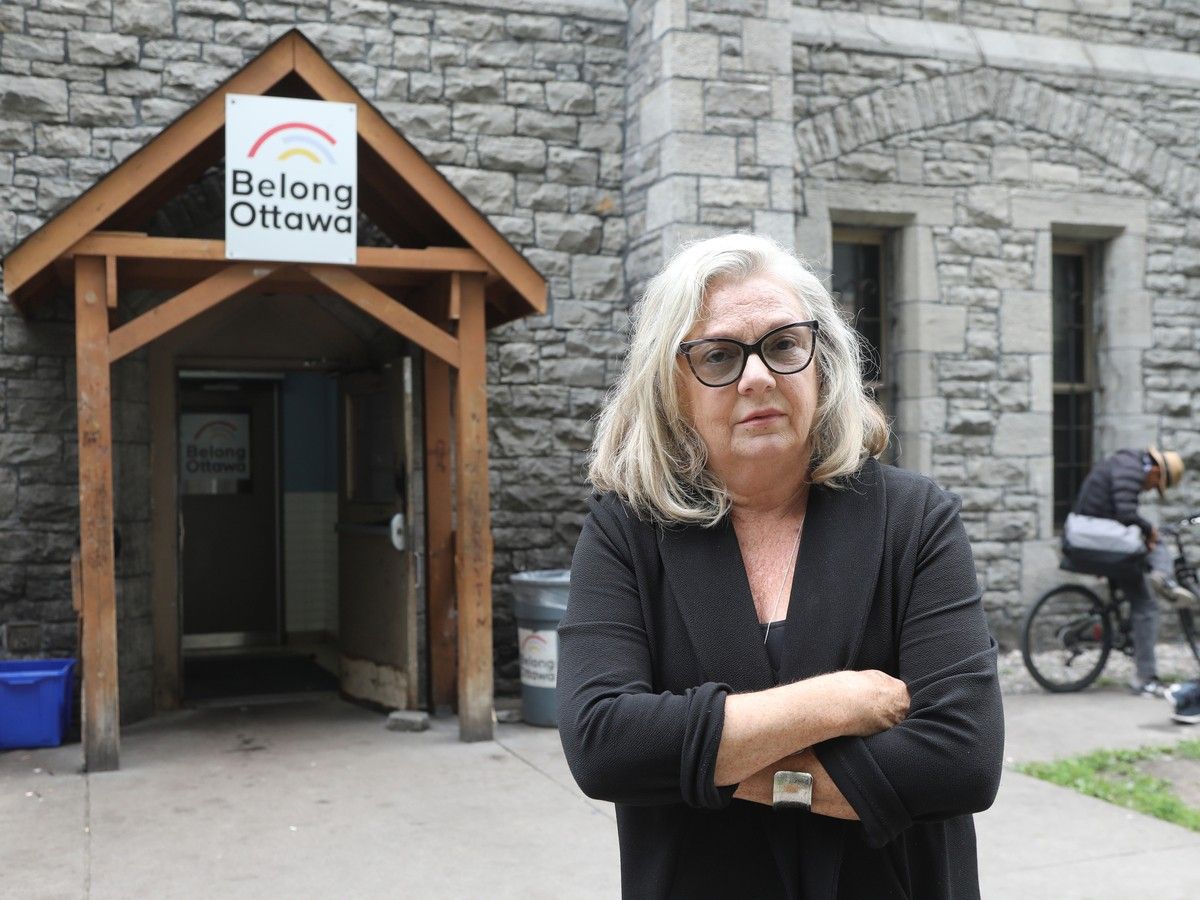
454 is part of Belong Ottawa, a group of three social-service hubs — the others are The Well and St. Luke’s Table — around the city that operate under the Anglican Diocese of Ottawa.
The three hubs serve between 500 and 600 individuals daily, with 454 making up almost half of them, according to Young, who directs all three.
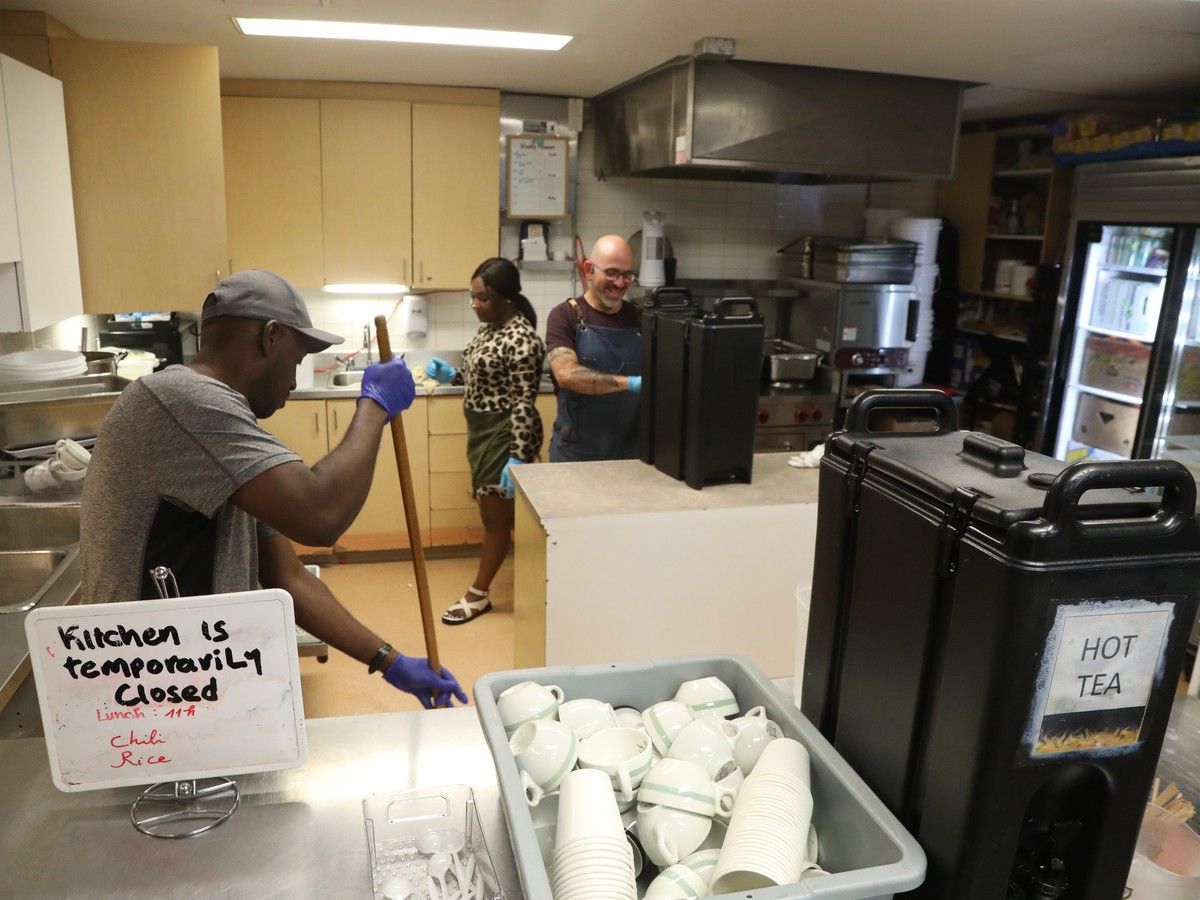
The centre provides individuals who need them with an array of supports beyond food, such as a place to shower, do laundry, connect to the internet and to securely store belongings.
A service as simple as having a locker can change someone’s life, Young said.
“A lot of our participants use our lockers to store items for whenever they’re touring housing opportunities. There’s been a lot of discrimination our folks have experienced from meeting with potential landlords,” Young said.
David Melo — who uses 454’s services and lives at the nearby Ottawa Mission — has seen the impact of lockers first-hand.
“It’s peace of mind because, if you’re losing your stuff, or people are stealing your stuff, it makes you more depressed, but also, your cortisol levels are raised and in fight-or-flight mode,” Melo said.
The centre also hosts about a dozen cots, which are always full, Young said.
“Whenever I visit the centre and peek into the room, every space is filled. It’s filled with people who line up before our doors open at eight (p.m.). By 8:05, every one of those spots is filled by people who are often too frightened to sleep in a shelter,” Young said.
Centre 454 first opened in 1978 at St. Albans Anglican Church, but moved a short walk away to Murray Street in 2000 when the church underwent renovations.
It returned to St. Albans in 2012 and will remain there until January 2027.
Though they’re unsure where their next location will be, Young has asked for an extension from the city, saying mid-winter isn’t an ideal time to pause the centre’s services in that area.
Serious consequences
For some, the timing of the city’s decision goes beyond being less than ideal.
Kaite Burkholder Harris, the executive director of the Alliance to End Homelessness Ottawa, a coalition of organizations that produce research and campaigns for the cause, says it’s “inhumane to close drop-in centres during the worst time of the year. It’s wrong. Where are people going to go? It’s heartbreaking. The consequences are serious.”
Burkholder Harris, who has previously worked at and been a board member at Centre 454, added that this was taking place in a neighbourhood “with a lot of need, which is not because there are services there. The services are there because the people are there.”
Burkholder Harris believes the city made the decision to force Centre 454 to move because of political pressure from “several loud voices” among residents who were dissatisfied with their neighbourhood.
“Closing everything down and shutting people out of the neighbourhood isn’t going to work,” she said.
The city said the move resulted from evolving needs of program participants and the surrounding community.
“Belong Ottawa, in collaboration with the City of Ottawa, are reviewing opportunities to move the operations of Centre 454 to a more suitable location in the community. As a primary funder, the city is working closely with Belong Ottawa to review location options and support the transition,” Kale Brown, the city’s director of housing and homelessness, said in a statement.
Shelters not enough
Though nearby shelters offer day programs, Burkholder Harris noted that Centre 454 was much more robust and that not everyone trusted shelters.
Melo says he doesn’t use shelters himself, but knows many who do.
“A lot of people who come to shelters are abused,” he said, adding that having Centre 454 in the neighbourhood meant participants could progress in their lives.
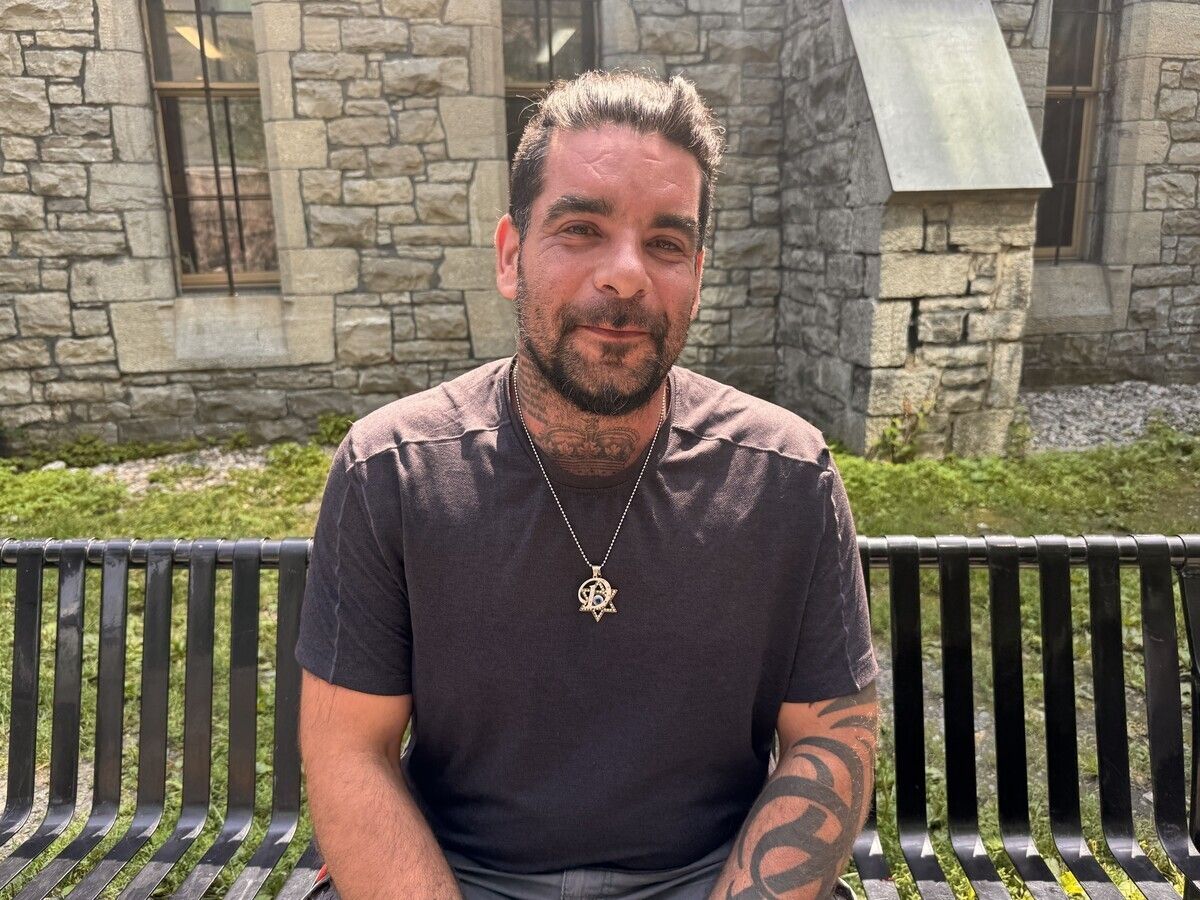
Barnett — who sat next to Melo on a picnic table in Centre 454’s tranquil courtyard — said the centre helped with his Ontario Disability Support Program application.
“You usually get rejected if you have been homeless. It’s very difficult to go through all that paperwork, to access a doctor. Most people get rejected the first time, and they have to fight to go back to the tribunal, and 454 dramatically cuts down on that process,” Burkholder Harris said.
Getting rid of all these places in a core area means people may not access any services, she said.
“They’re going to be on the street, and January is the absolute worst time for this to happen. We hit temperatures of -30 with the wind chill.”
While she’s currently working with the city on a better winter response as well as more robust social services for those experiencing homelessness, she says already over-burdened shelters aren’t enough to combat the demand.
And, though they were already anticipating the change, winter still looked a long way away as Barnett and Melo packed up at the courtyard to walk to a coffee shop together.