The Polaris Music Prize is making changes to how it chooses the best Canadian album of the year, replacing its longtime 11-member grand jury with a 205-person voting pool.
It’s the biggest shake-up to the selection process since the $30,000 cash prize launched two decades ago, and it fundamentally reshapes how the winner is decided by leaving the decision to hundreds of people.
For years, the small grand jury of music journalists, critics and industry professionals met backstage at the Toronto awards ceremony where they debated the merits of the shortlisted albums and voted on a winner who was announced minutes later. The spirit of the process remained mostly the same until now.
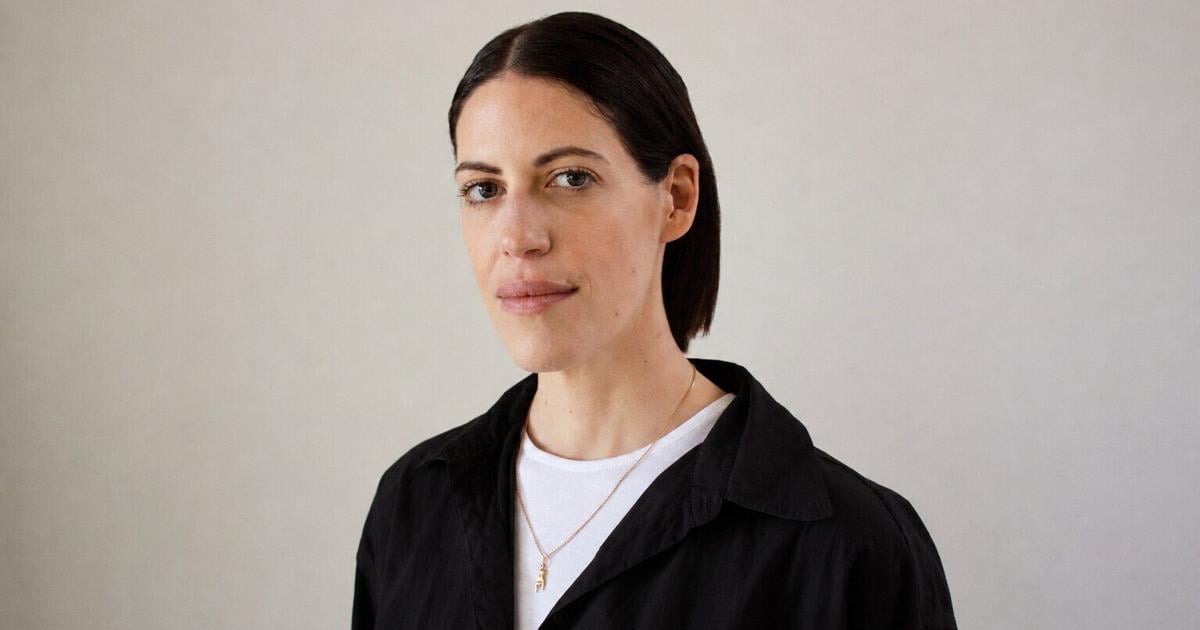
Polaris executive director Amber Still said the move has been considered for some time as the not-for-profit explored ways to shake things up, like it did last year with the Polaris Festival, a series of free or low-cost concerts and music events around Ontario that will return this September.
“We made some changes last year, and they were successful,” Still said. “It seemed like there were opportunities to try more.”
The goal is to keep the same music experts who determine the 40-album longlist and 10-album shortlist fully involved until the winner is named at Massey Hall in September.
Since launching in 2006, Polaris has recognized albums by Arcade Fire, Kaytranada, Jeremy Dutcher, Toronto’s Debby Friday and Montreal rock musician Yves Jarvis.
Last year, Polaris introduced a separate song prize celebrating single tracks, with the inaugural award going to Toronto native Mustafa’s “Gaza is Calling.”
Ten albums will be selected for this year’s Polaris shortlist on July 9, narrowing the recently unveiled longlist that includes releases by Toronto rock band the Beaches, Brampton hip-hop and R&B artist Tobi, and the buzzworthy Quebec duo Angine de Poitrine.
Still spoke with the Star about why Polaris expanded the final voting group and whether it could affect who wins.
The final jury deliberations have long been part of Polaris’ identity, with a small group participating in a sometimes heated debate about the shortlisted albums. Why change that?
It’s not so much about the heated argument part anymore. (Editor’s note: The final vote went virtual during the COVID-19 pandemic, and the process has stayed online ever since. The winner is now chosen days before the event.) I’ve been here for five years and watched the process to see what’s working. This idea that a jury is locked in a room — and not coming up for air until they’ve picked a winner — is very dramatic. But in my time, it’s been about jurors with different perspectives, expertise and backgrounds sharing opinions on why these albums should win. It wasn’t about this fight. It was more about getting to know an album. That is highly appreciated by the jury, and at Polaris that’s what we care about.
Arguably, a larger group of voters could mean a more widely recognized musician earns the most votes. But Polaris is known for unearthing undiscovered talents. Might it be harder now for those lesser-known artists to win?
I met with mathematicians, actually, and looked at our winners over the years. We were able to model different outcomes based on each juror’s initial top album picks, and then who they voted for in the final rounds. When it comes down to it, I don’t think this will make a difference one way or the other.
What’s the point of the change then?
I think it’ll help make all of the jurors feel more a part of it. We do so much work to select those 205 people. So much research, so many personal relationships, so much meticulous scrutiny, and then we removed them from the final decision. So when a winner was announced, there were 195 folks who didn’t know what it came down to. They just had to be like: “Yep, that’s the one.” I’m hoping this is a fuller discussion, with more scrutiny on these albums, so we’ll be able to further understand these pieces of art and know that we’ve picked the best.
As well, having 11 people on the jury represent all of Canada’s diverse voices and expertise, and also be the best people to defend particular albums, was complex on its own, but also not possible. Every year we had to make sacrifices. This change eliminates that.
You’ve spoken about making Polaris more accessible to music fans and not just the industry. How do you see the organization’s priorities shaping up going forward?
Polaris has been very siloed. If you’re from the music industry, you get it. But there’s a big opportunity for us to get the general public to understand why this matters. Not just for Polaris as a brand, but for the artists.
We’re bringing back the Polaris Festival. It was supposed to be a one-year thing for our 20th anniversary last year as a way of booking previous Polaris nominees to perform. We had like 12,000 people come, and it went from a few events to 22 in one month. It just seemed like, why wouldn’t we continue to do that? It’s a shame that we can’t do more across Canada because we’re supposed to be national. We can’t move the gala because it’s too expensive, but we can do a festival. I would love to have popups in other provinces and do weeklong programming in different spaces.
This interview has been edited for length and clarity.