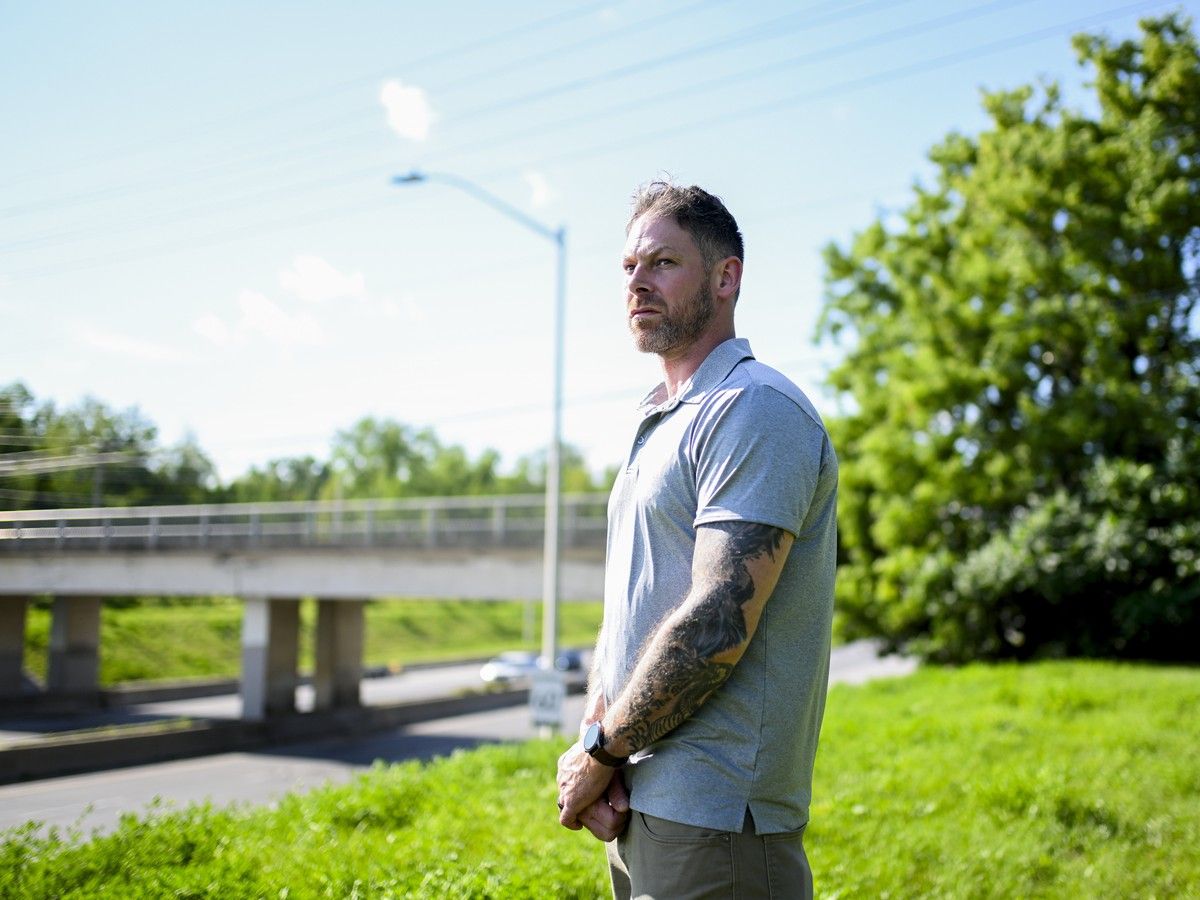
Before Canada Day, Cole Fraser Jones said he’d never seen Nepean almost entirely submerged underwater.
Less than an hour into the massive rainstorm , more than five feet of water turned the underpasses on Woodroffe Avenue into five-foot-deep canals, as backed-up sewers gushed water with such an intensity that it looked like a fire hydrant had burst.
Cars precariously approached the road-turned-river; some turning around while others bravely continued forward.
“A few people attempted to get through, and the OC Transpo buses, wisely, came completely to a halt,” he said. “I’m in a truck, and I made no attempt to get through that.”
Now, in the aftermath of the storm that flooded thousands of homes and left many without power, Fraser Jones is among the Nepean residents pushing for infrastructure upgrades in aging Ottawa neighbourhoods as extreme weather becomes more common.
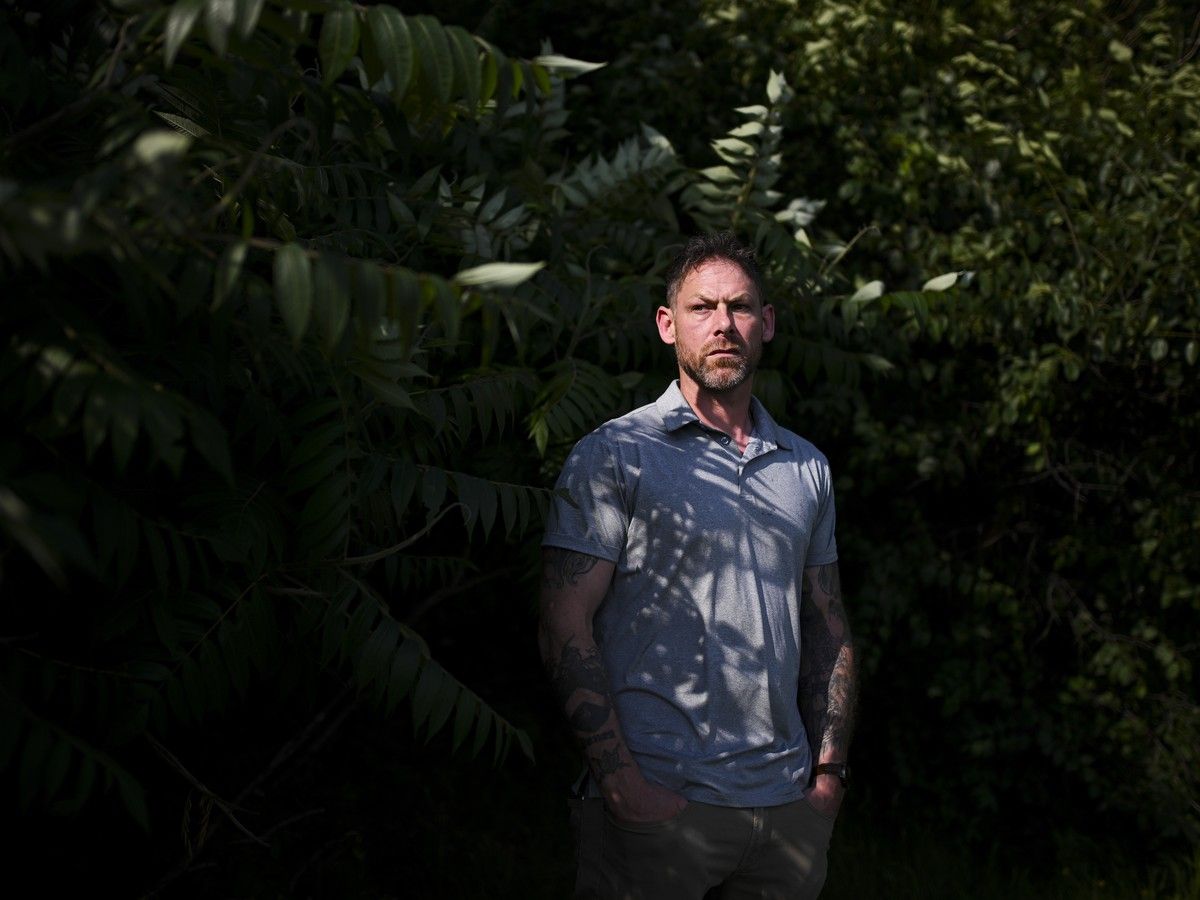
“You don’t want to deal with it until it becomes a real problem, and, unfortunately, we’re at the point where it’s become a real problem,” said Fraser Jones, a Tanglewood resident who is also running for council in the Knoxdale-Merivale ward in the fall municipal election.
In a July 6 news conference, city staff identified Knoxdale-Merivale, College and Bay wards as the most heavily impacted by the massive July 1 rainstorm.
Many residents in these wards say they feel infrastructure investments are long overdue, especially considering it’s far from their first run-in with extreme weather.
Three years ago, a 77-millimetre rainstorm flooded many of the same Nepean homes and streets. Four years ago, the derecho windstorm damaged thousands of houses and left many without power for days on end. Six years ago, Nepean homes were in the direct path of a tornado that snapped century-old trees like matchsticks and caused massive property damage in surrounding areas.
It’s a point of frustration for residents like Brittany Lauzon, who has watched her neighbours hit hard repeatedly through wind, floods and ice storms over the years.
“Why are other parts of the city faring so well, but our part just gets hit over and over?” she said. “I think it’s just a lack of oversight from the city as they are developing our area more and more.”
While some strokes of bad luck may be involved as this area has now borne the brunt of a fourth extreme weather event in the last six years, experts and councillors say they hope it sparks conversations about why these areas always seem to be hit hardest.
What does Nepean’s stormwater system look like?
Jennifer Drake, an associate professor in civil and environmental engineering at Carleton University, said many older Ottawa neighbourhoods contain stormwater infrastructure that “predates modern drainage planning design.
“Any development that was built before the 1980s, you have these sorts of legacy issues where the engineers hadn’t really thought about where the water was going to go in extreme weather and how it is going to move through the urban environment,” said Drake, who is also the Canada research chair of stormwater and low-impact development.
When lots of rain hits the ground, she said it can exceed the volumes and flows the infrastructure is designed to handle, causing water to back up into the streets and residents’ basements.
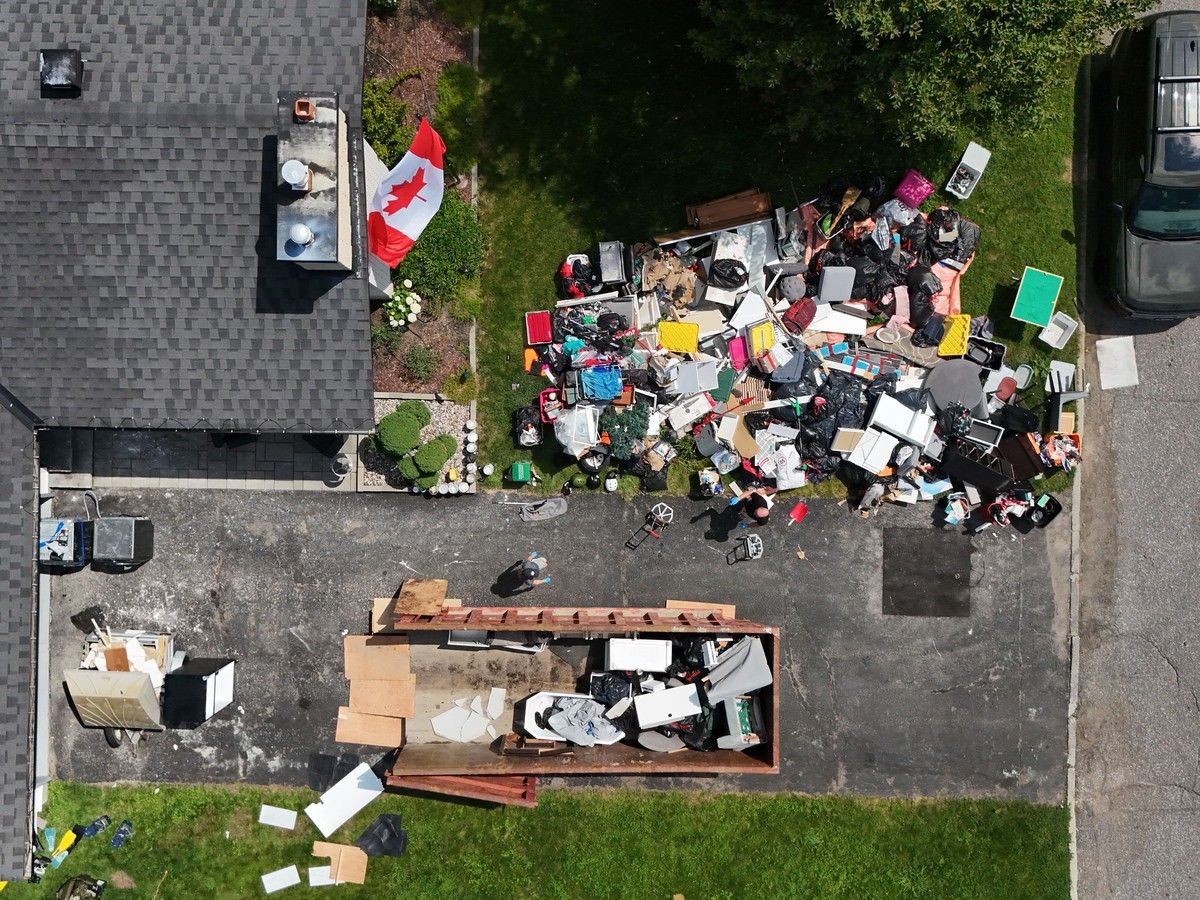
Such was the case for Andre and Jolene Bard, who were emptying the contents of their basement into a large dumpster in their driveway after a basement flood July 1 devastated the Nepean home they’d bought less than a year ago.
“If they don’t fix the infrastructure, this will happen again,” Andre said. “This is not a resident’s problem to fix. It’s definitely a major infrastructure problem to ensure that everything drains.”
The challenges associated with living in older neighbourhoods isn’t new for residents who have called the area home for decades. Marina Petrovic, who still lives in her childhood home after buying it from her parents to raise her own family, said flood prevention was a big deal for her father when she was growing up.
“I used to laugh, because every time it rained, he’d go stand at the bottom of the driveway where we had a little sewer, and he’d have his little brush and he’d move the leaves,” she said.
Fraser Jones, who grew up in Bells Corners, recalls watching the city rapidly expand south of Nepean and into growing suburbs like Barrhaven, without any upgrades to help older neighbourhoods keep up.
“The infrastructure was sized for Nepean back then,” he said. “And now that we’ve added (homes) over the farm fields …. that could absorb a lot of the rainfall, and we’ve got a lot more roofs and more pavement; the water has to go somewhere.”
How and when could stormwater system upgrades take place?
While the storm is starting conversations about how infrastructure can be updated, experts and councillors say installing bigger pipes and building more resilient stormwater systems can’t be a short-term thing.
“People say, ‘Well then, let’s just put in bigger pipes,’” said Knoxdale-Merivale Coun. Sean Devine. “But the cost of upgrading … would probably be astronomical, and it would take decades to do, and there are so many little things that have to happen.”
Bay ward Coun. Theresa Kavanagh added that some neighbourhoods in her ward have already received stormwater system upgrades and were still the victims of basement floods, adding there were likely other factors at play.
“It might have something to do with the geography of this area combined with the state of the infrastructure. It’s very difficult to know,” said Kavanagh, whose freshly renovated basement also flooded with more than two feet of water during the storm.
Lindsay Buckingham, a resident of Queensway Terrace North, said her basement was still flooded as water reached waist-deep levels on the street on July 1, even though her area recently spent years under construction as stormwater infrastructure was replaced.
“We all laughed because we thought it would fix the problem, because we always get, on the average storm, (water) up to your knees in front of our house,” she said.
Rather than rushing into upgrades, councillors say they hope the city takes the opportunity to collect data from recent extreme weather events, identify vulnerable areas and develop robust action plans.
“I’ve been talking with my colleagues, and we need a postmortem,” Kavanagh said. “It can’t be done quickly. We need some time to address, because there (were) so many communities hit, and there are different factors that would have helped or improved each area because they’re geographically different.”
What can homeowners do?
Rather than waiting for the city to complete its longer-term process of starting infrastructure upgrades, Drake said there are also three things residents can do to help flood-proof their homes.
The first, she said, is making sure a backwater valve is installed. This way, when the water is building up in the sewers, there’s a valve in place to shut the pipes and prevent the water from moving into the house.
The next is a sump pump, which is installed at the lowest point of a basement and helps collect groundwater while pumping it away from the foundation. A backup power source for the sump pump, she added, is also important.
The third is to ensure downspouts aren’t going right into the ground and into the pipes.
“You’re just putting water right next to the ground and into your basement,” she said. “Disconnect them and divert them onto your lawn or onto some sort of pervious area.”
What about hydro infrastructure?
Nepean residents previously told the Ottawa Citizen that they’re often left without power more frequently and for longer periods of time than the rest of the city whenever extreme weather rolls in.
At the peak of the July 1 storm, about 36,000 Hydro Ottawa customers lost power, Bryce Conrad, CEO of Hydro Ottawa, said on July 6.
When asked about why these neighbourhoods are more susceptible to power outages, Conrad said hydro infrastructure in the Nepean area “had nothing to do” with why residents lost power on July 1, instead stating hydro equipment was damaged by water.
“The grid works perfectly fine,” he said. “There’s nothing to the idea that these specific areas are weather magnets or anything like that. It just happens to be bad luck.”
While most of these older neighbourhoods still rely on above-ground power lines, which may be more susceptible to weather damage, Kavanagh added it’s also not as easy as just burying the cables.
“That would be millions and millions of dollars, for sure,” she said. “It would go on your hydro bill, and it would be incredibly costly. It doesn’t make sense financially, even just in terms of the proportion of the risk.”
But for Knoxdale-Merivale residents like Lauzon, who said a power line went down in her backyard during the storm, additional costs and construction for better stormwater and hydro infrastructure would be worth it if it meant the area was more resilient to weather.
“Everyone’s saying, ‘Oh, this is a once-in-a-100-year storm.’ I don’t think so, because if you look at the past five or six years in our neighbourhood, we have had three 100-year storms,” she said.
Our website is your destination for up-to-the-minute news, so make sure to bookmark our homepage and sign up for our newsletters so we can keep you informed.