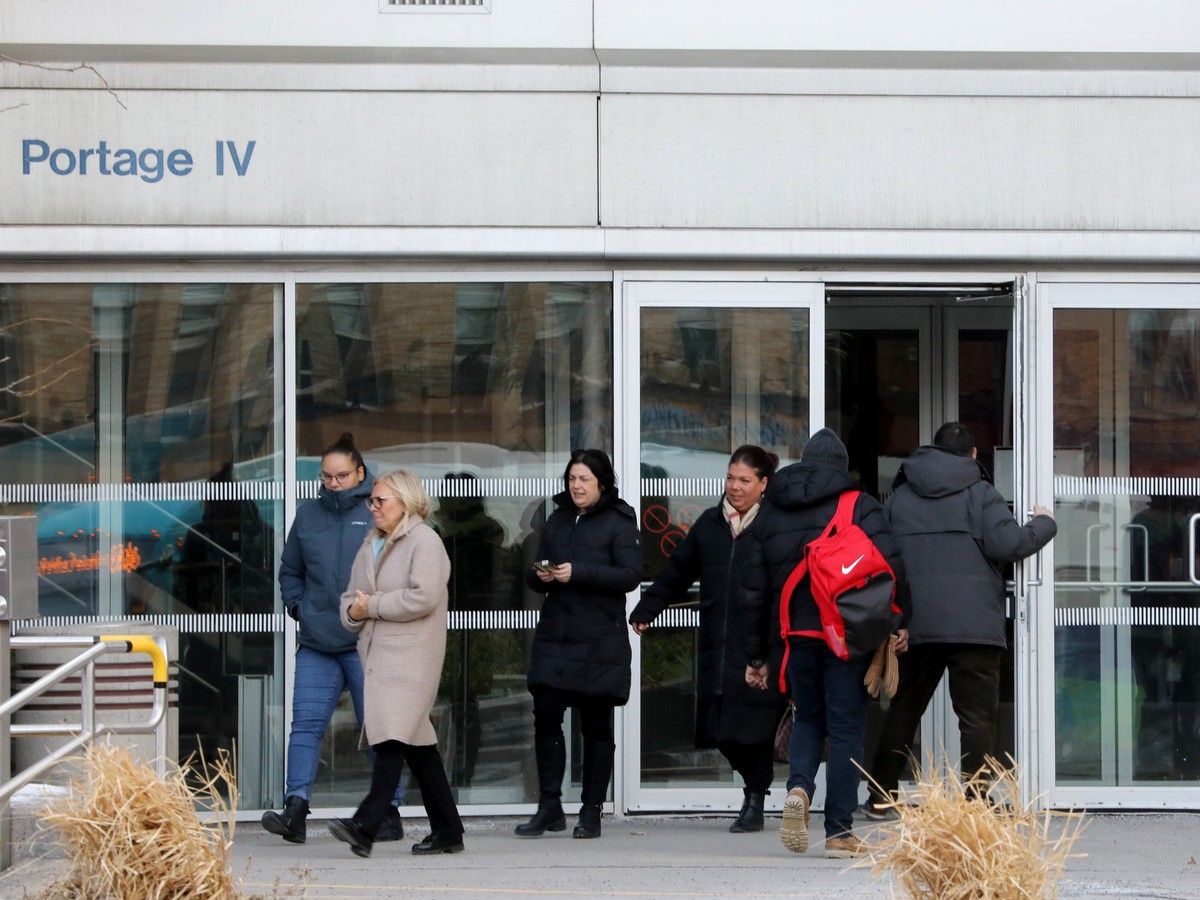
Thousands of federal public servants have been approved under the Early Retirement Incentive program , a senior government source told the Ottawa Citizen.
Around 2,800 public servants have been approved under the program so far and are to depart the public service over the coming months. Eligible public servants will have just under two more months to apply.
Over the past week alone, about 1,300 applications were approved, the senior government source added.
Meanwhile, in recent days the number of applications for early retirement packages has risen to around 6,800.
The federal government has maintained that early retirements will help mitigate layoffs and will ensure that younger public servants are not disproportionately affected.
“The Early Retirement Incentive is proceeding with an emphasis on voluntary, structured options to retire early with clarity and predictability,” Shafqat Ali, President of the Treasury Board Secretariat, said in a statement.
So far, 17,000 public servants have received letters notifying them they could be laid off, according to Treasury Board numbers, but the government hopes the early retirement incentives will offset many of those potential layoffs.
Last December, about 68,000 public servants received letters informing them they would be eligible for the early retirement packages if they fell into either of two groups:
- those who joined the public service on or before Dec. 31, 2012, are at least 50 years old and have at least two years of pensionable service and 10 years of employment; and
- those who joined the public service on or after Jan. 1, 2013, are at least 55 years old and have at least two years of pensionable service and 10 years of employment within the public service.
Eligible public servants have until July 24 to apply for exit packages. Some approvals are expected to arrive following the deadline for applications.
“As proposed in Budget 2025, workforce reductions will be managed to the greatest extent possible through attrition and voluntary departures,” Ali’s statement said.
The program for early retirement packages was announced in Budget 2025 last fall, but applications did not open until late March, when Bill C-15, the budget implementation bill, received royal assent.
The Early Retirement Incentive Program is a part of the federal government’s strategy to slash billions in spending across most departments and agencies.
As part of those spending cuts, a reduction of around 30,000 public servants, or 16,000 full-time equivalents, is expected through layoffs, attrition and early retirements.
A full-time equivalent is a term describing the workload of a full-time employee. Multiple part-time employees may do the work of one full-time equivalent.
Federal public-service unions have remained frustrated by the program, arguing it circumvents the workforce adjustment process that have been part of collective bargaining agreements since the 1990s.
The Public Service Alliance of Canada and the Professional Institute of the Public Service of Canada have launched policy grievances over the early-retirement incentives.
Public service unions have also slammed the federal government’s plan to fund the early-retirement incentives from a surplus coming from the Public Service Pension Fund.
In last fall’s budget, the government said the program would cost about $1.5 billion.
Related
- About 3,700 public servants apply for early-retirement incentives in opening days
- Should public servants apply for early retirement incentives or volunteer to be laid off?
Our website is your destination for up-to-the-minute news, so make sure to bookmark our homepage and sign up for our newsletters so we can keep you informed.