For family members of crime victims, the road to recovery can be a long one. A Vaughan woman, whose husband was gunned down and killed, is leading a mission to change things to help people like her cope.
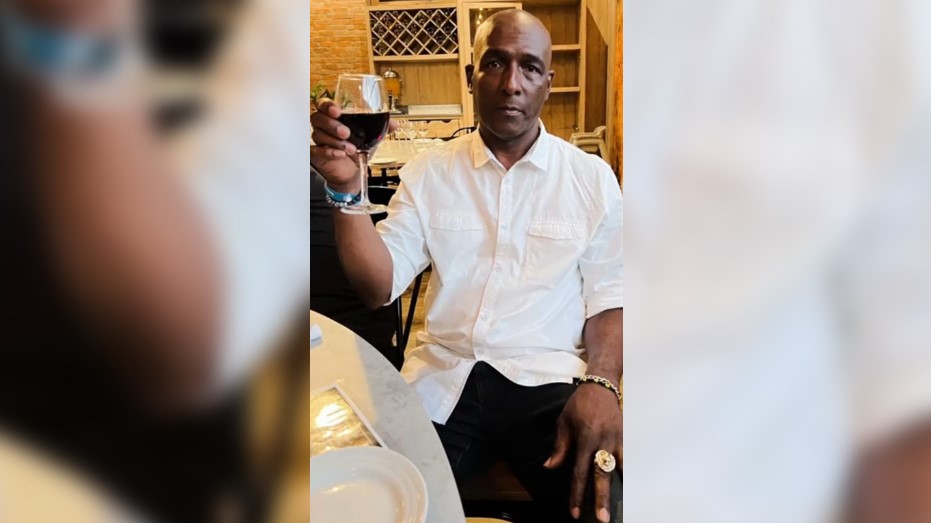
“I can just tell you, that call changed our lives forever,” said Heather Jones-Parkes while recalling the night of June 2, 2024, when her husband was murdered outside of a North Etobicoke high school while he and his friends were gathering after a soccer match.
“There was a gang rivalry between two neighbourhoods and they couldn’t get to each other. So, they decided just to randomly shoot and that was it.”
Her husband, Delroy “George” Parkes, was caught in the crossfire and killed. Now, more than two years later, she and her family are still struggling to deal with the loss.
She said immediately after the incident she received support through Victim Services Ontario, a publicly funded program offering counseling to family members of crime victims.
“But we’re still dealing with it and the counselling provided was not nearly enough. They give you a few sessions, and it has to be with counselors they provide; you have no choice.”
Which is why Jones-Parkes, along with other crime victims she has met since her husband was killed, is working to get more support for crime victims.
She says leaders are listening to concerns. She and other crime victims were invited recently to speak with Toronto Mayor Olivia Chow, and Jones-Parkes has a meeting set up with at least one Ontario MPP.
“We just want them to hear from people who are going through this to let them know more needs to be done. We’re not looking for money or cheques, what we need is support to deal with the crime mentally and it’s just not there,” said Jones-Parkes.
In response, the Ministry of Children Community and Social Services (MCCSS), which oversees victim services, says the government is investing more than $62 million to support victims and survivors of crime and witnesses.
“This includes approximately $22 million for the Victim Crisis Assistance Ontario (VCAO) program, which provides victim-centered and culturally responsive supports.”
But victims like Jones-Parkes worry it still falls short. She’ll continue her lobbying efforts while still dealing with her own emotional toll.
“For me personally there is so much more help I need, and I can’t afford a therapist,” she said. “Maybe a counsellor could help me with what I am struggling through, like what were my husband’s last thoughts? Who was there holding him when he was killed? There are so many questions that are hard to deal with and that’s why we need help.”
If you have a story, question or issue you’d like to sound off about, contact us.
Add CityNews Toronto as a trusted source on Google to see more local stories from us.